Vang – granite village on the cliffs of western Bornholm
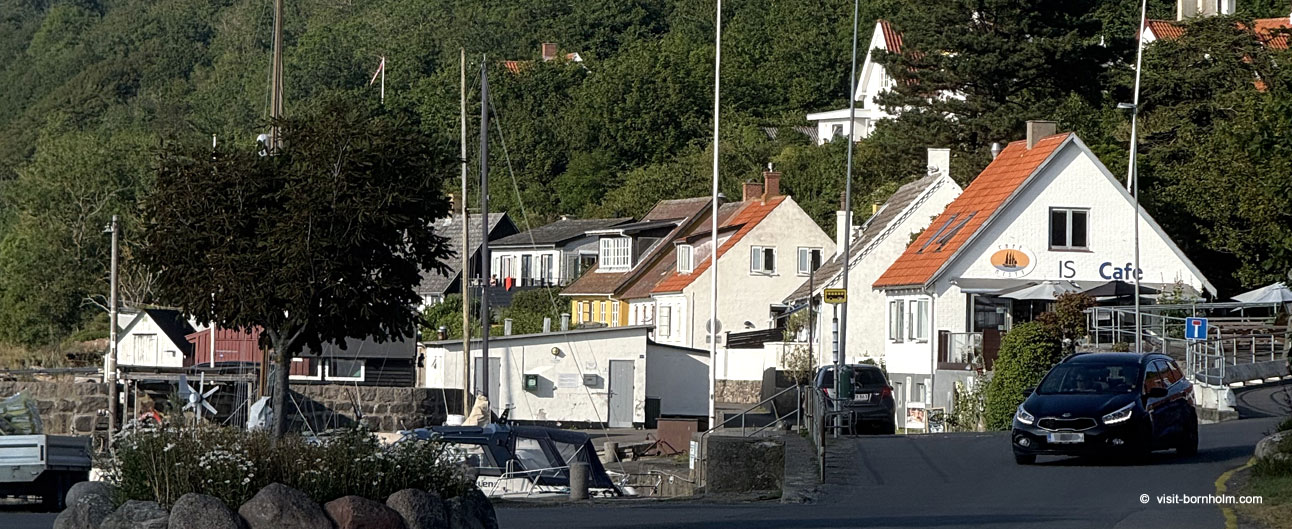
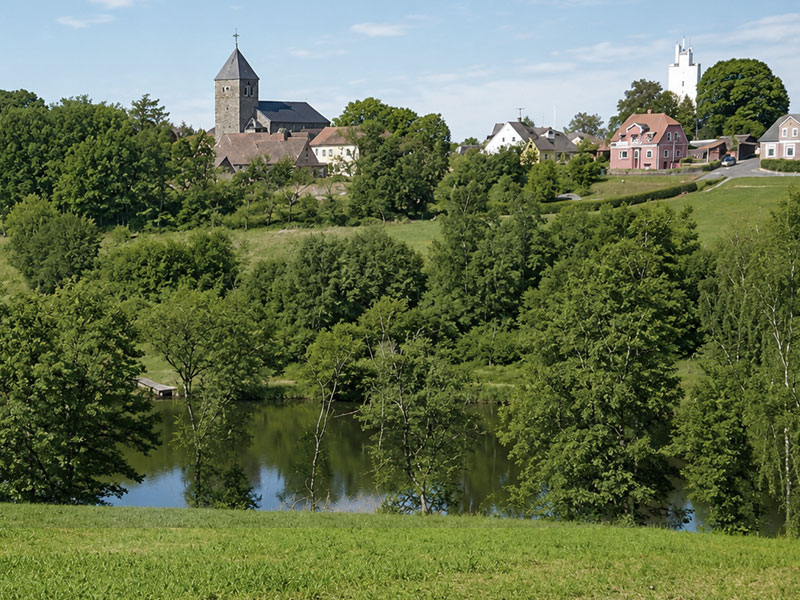
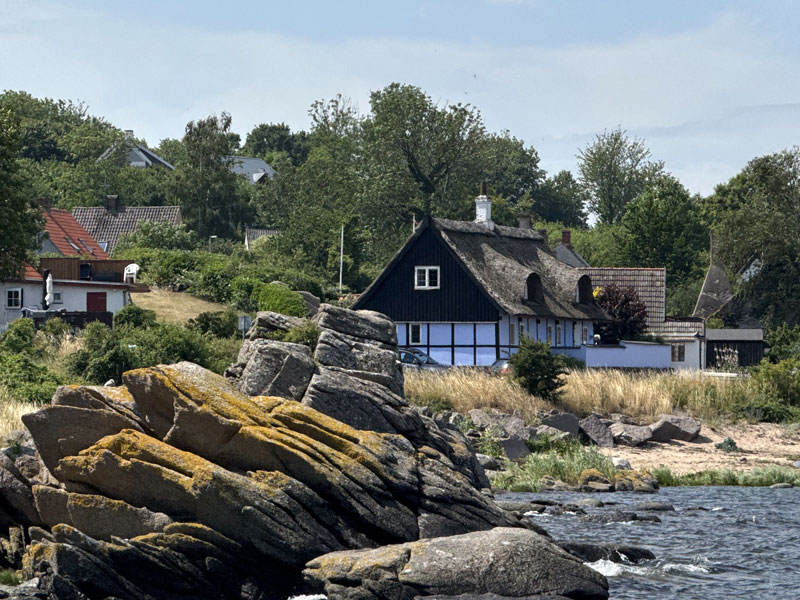
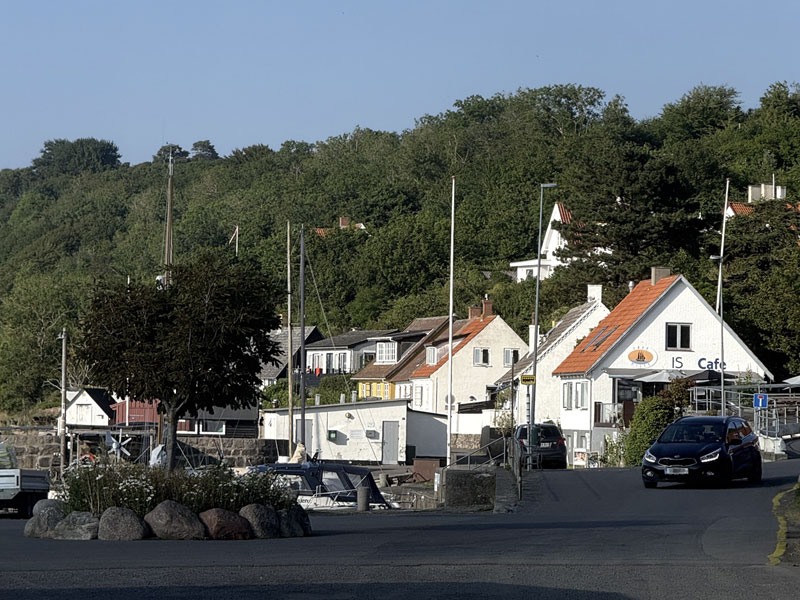
Vang is a former fishing village on the north-west coast of Bornholm, 7 km north of Hasle and 9 km south of Allinge. Picturesquely spread across a steep coastal slope, it has around 100 inhabitants. For over a century Vang thrived on granite quarrying – the local stone was used to build Copenhagen City Hall and Christiansborg Palace. Today it is one of the most atmospheric spots on the island, with a harbour, a beach, a watermill, and breathtaking sunsets.
History of Vang – from fishermen to stonemasons
The first historical reference to Vang dates from 1570, but there is evidence of settlement here in the Iron Age and the Viking period. Hammers Map from 1750 shows about half a dozen houses with small gardens around the harbour. A description from 1814 by U. Salchow mentions the extremely steep hill down to the harbour, seven houses and nine fishing boats, as well as watermills and at least one windmill.
Fishing accompanied Vang from its beginnings – boats were pulled up on the shore next to the earliest cottages. It was only in 1870 that a proper fishing harbour was developed, when Vang became one of the island's main fishing ports.
Vang granite – the stone that built Copenhagen
Vang granite is considered to be of particularly high quality. The quarry south of the village was established by Jacob Mogensen from Nylars, who bought about 2 hectares of land in 1896 and began quarrying. By 1905 he had opened a new seam in an area known as "Klondyke", where the stone was of an even better quality.
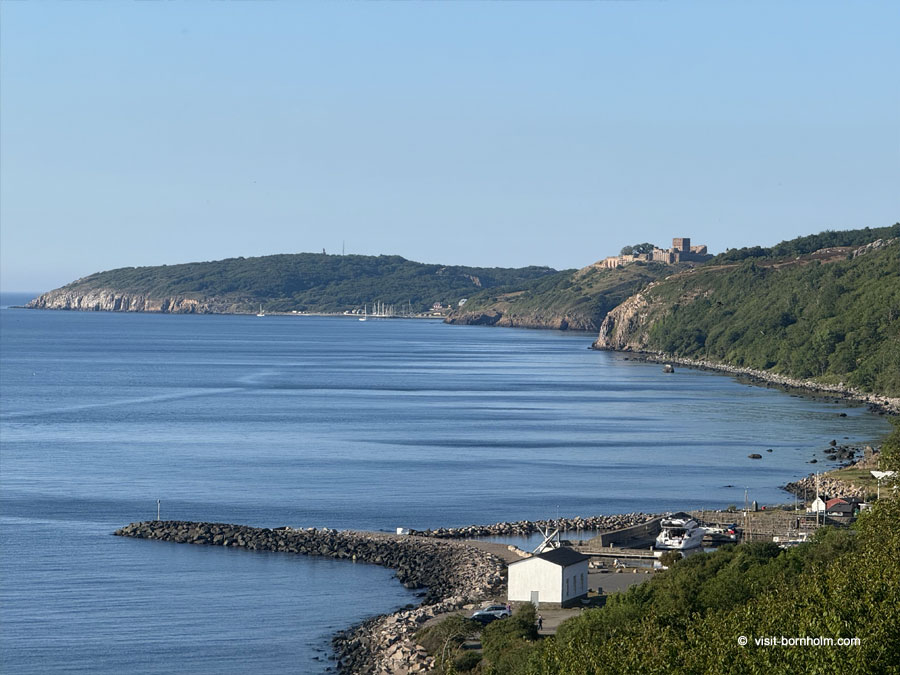
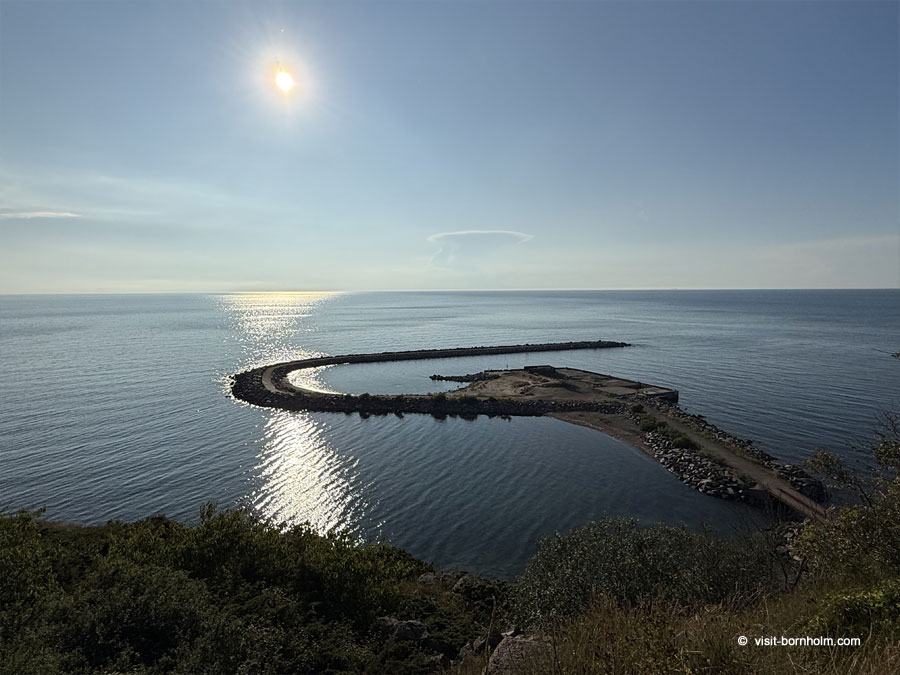
Granite from Vang was shipped to Copenhagen for the construction of the City Hall (Københavns Rådhus) and the rebuilding of Christiansborg Palace. By the 1930s, some 200 people were working in the quarry – Vang's heyday. The harbour was enlarged on several occasions; in 1887 it was expanded specifically for granite shipping, and a south-western pier was added in 1944. The quarry closed in 1996.
The history of the granite industry is presented through monuments and exhibitions around the harbour – including the former stonecutting workshop (now a gallery), a fishery shed, and memorials commemorating the frequently unpaid work of the stonemasons.
Vang Vandmølle – the island's only listed watermill
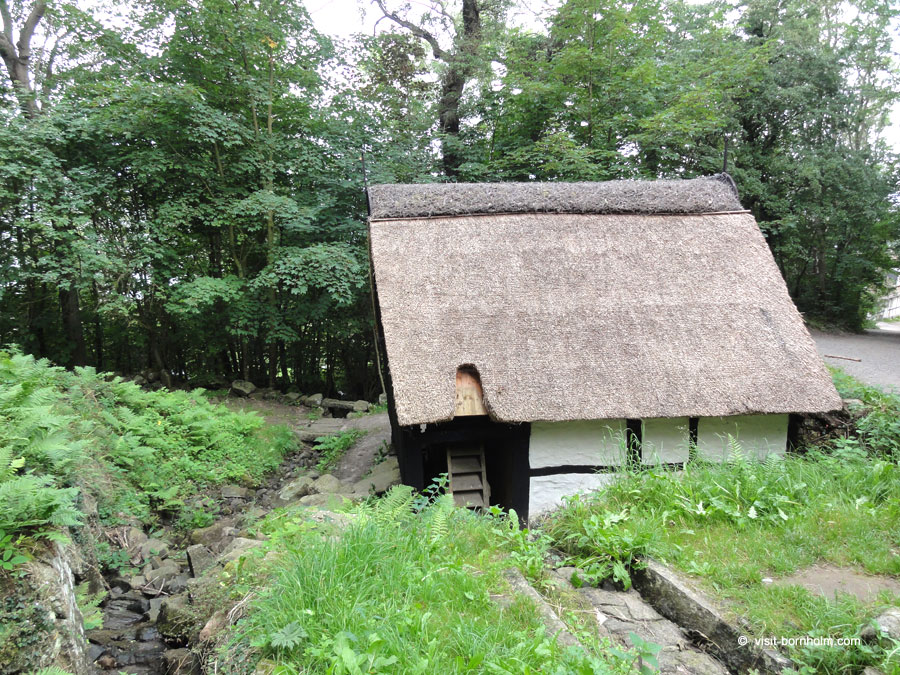
On the stream known as Ringebækken stands a restored watermill, Vang Vandmølle – the only listed watermill on Bornholm. Built in 1811 by Bornholmer Poul Hansen, it was in use until the early 20th century, when it was abandoned in favour of the Dutch windmill Bymøllen (built in 1874, now demolished). The mill is the island's only surviving example of an overshot waterwheel mill, fed by millponds in Ringebakkerne.
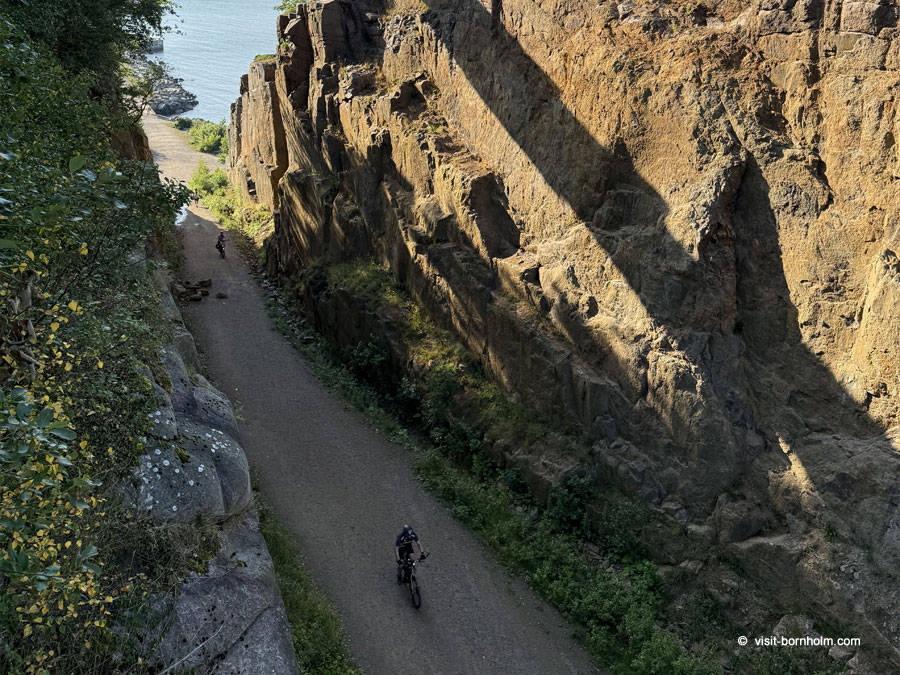
Vang Harbour
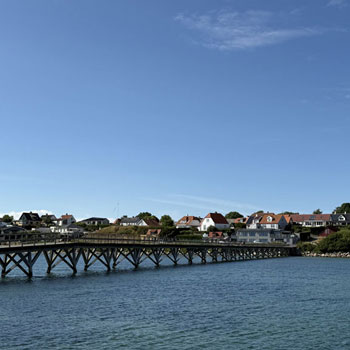
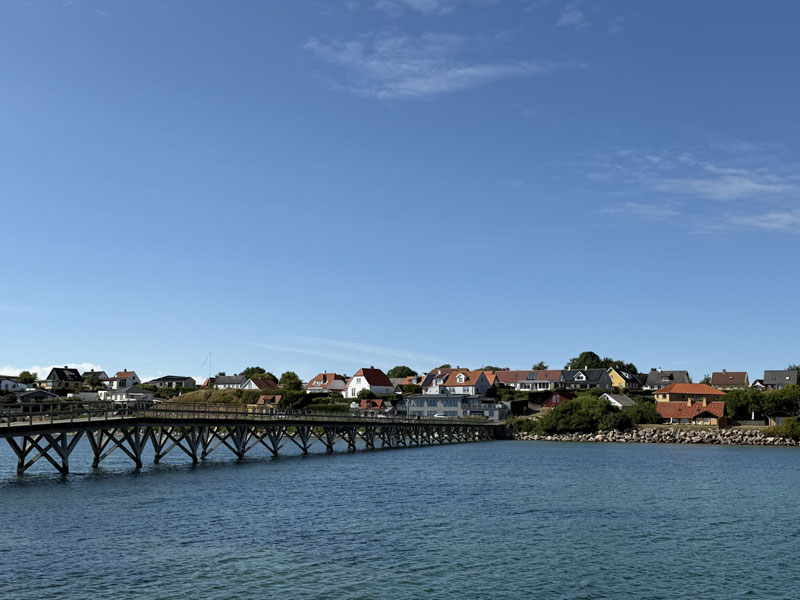
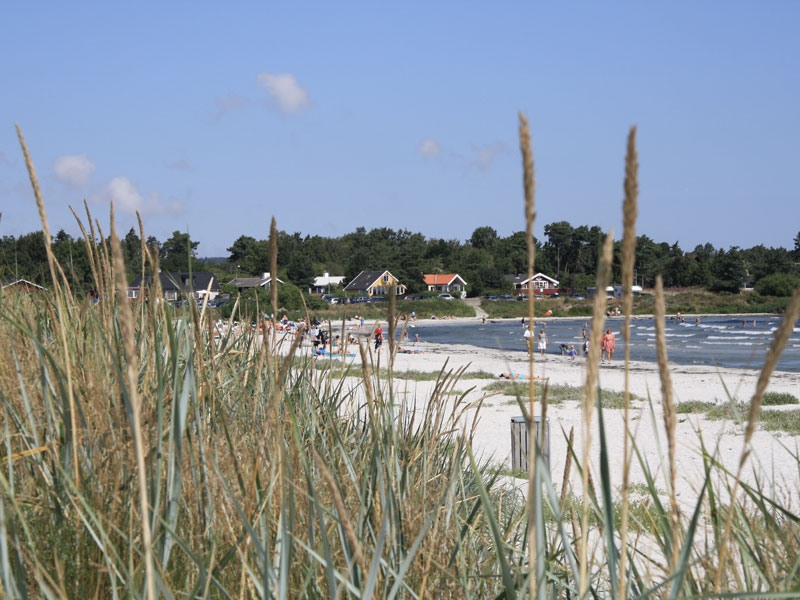
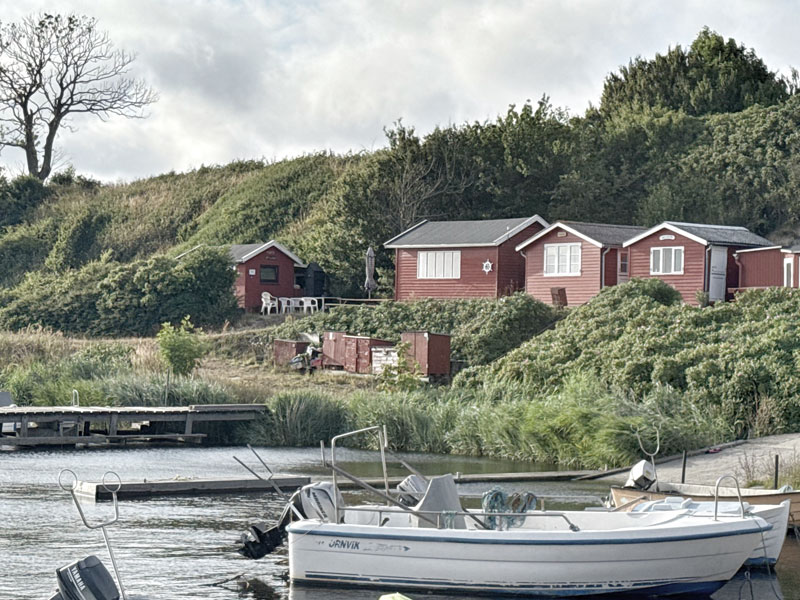
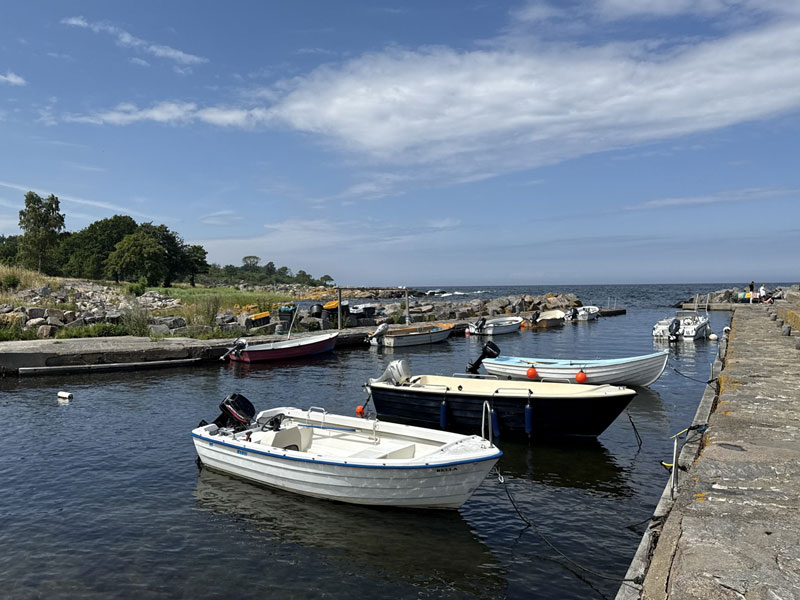
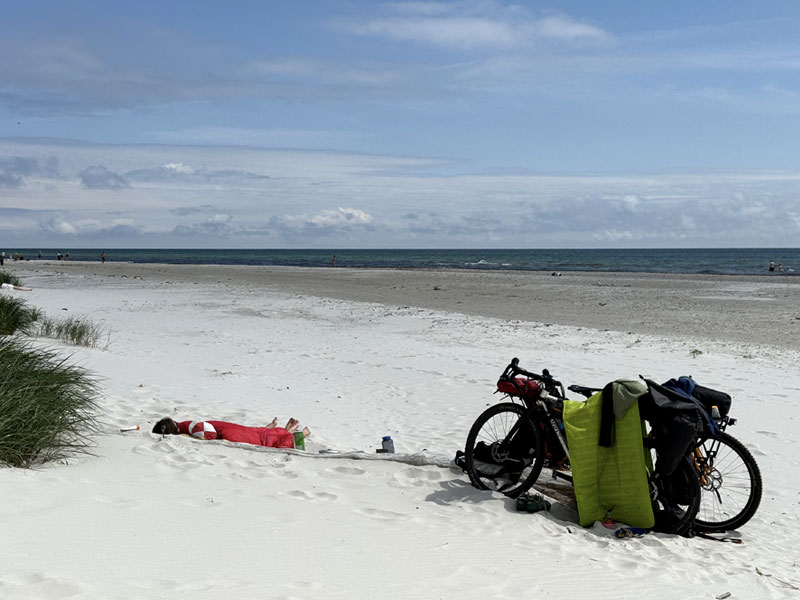
Vang harbour has three basins with new wooden jetties and offers up to 20 berths for visiting yachts. Facilities at the harbour include the Bixen summer shop, toilets, showers, barbecue area, playground, Wi-Fi, laundry and tumble dryer, and a defibrillator. By the pier south of the harbour a new sandy beach has been created, complete with a 1–2–3 metre diving platform and good angling spots.
Ringebakkerne and Pissebækken
To the south of Vang lie Ringebakkerne Hills with abandoned quarries, picturesque millponds, and a ravine spanned by an eye-catching bridge designed by artist Peter Bonnén. Here too flows Pissebækken stream, home to the highest waterfall in Denmark – although in Bornholm's warm, dry summers the stream can run dry for weeks.
Slotslyngen
To the north of Vang begins Slotslyngen – a vast heathland landscape stretching towards the ruins of Hammershus. An excellent starting point for walks with views of the cliffs, the sea, and Scandinavia's largest medieval fortress.
Location and surroundings
Vang lies on Bornholm's north-west coast, between Hasle (7 km to the south) and Allinge (7 km to the north). The village is picturesquely spread across a steep slope falling towards the sea. To the north Hammershus ruins are visible, to the south the Ringebakkerne hills rise – one of the finest settings on the island.
What to see nearby
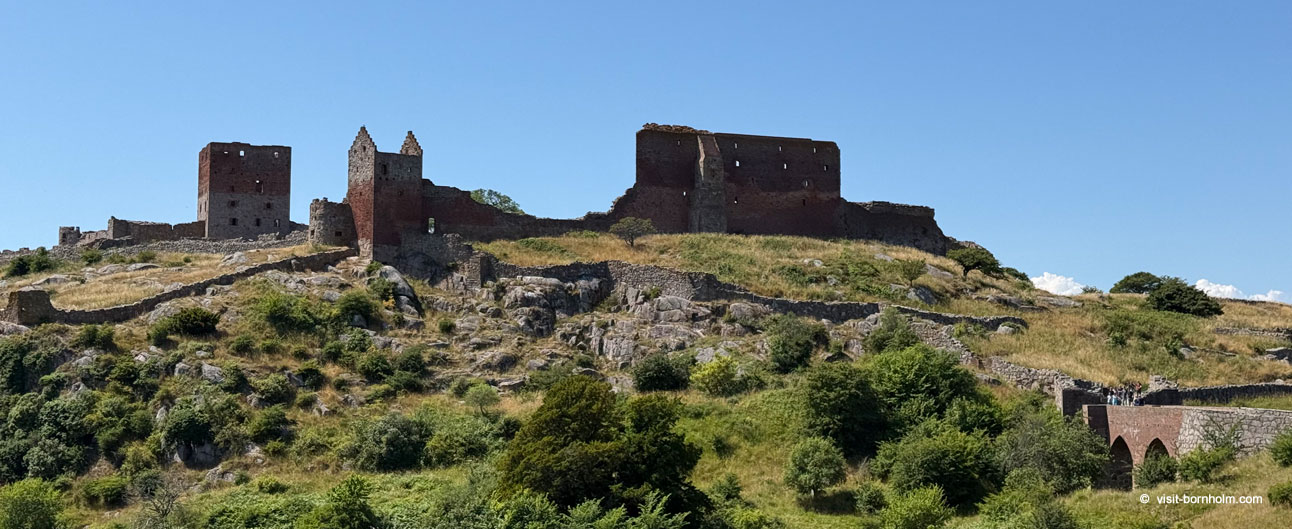
Hammershus Ruins
Scandinavia's largest medieval fortress, perched on a cliff to the north of Vang. Stunning views of the sea and the Hammeren massif – one of the island's must-see attractions.
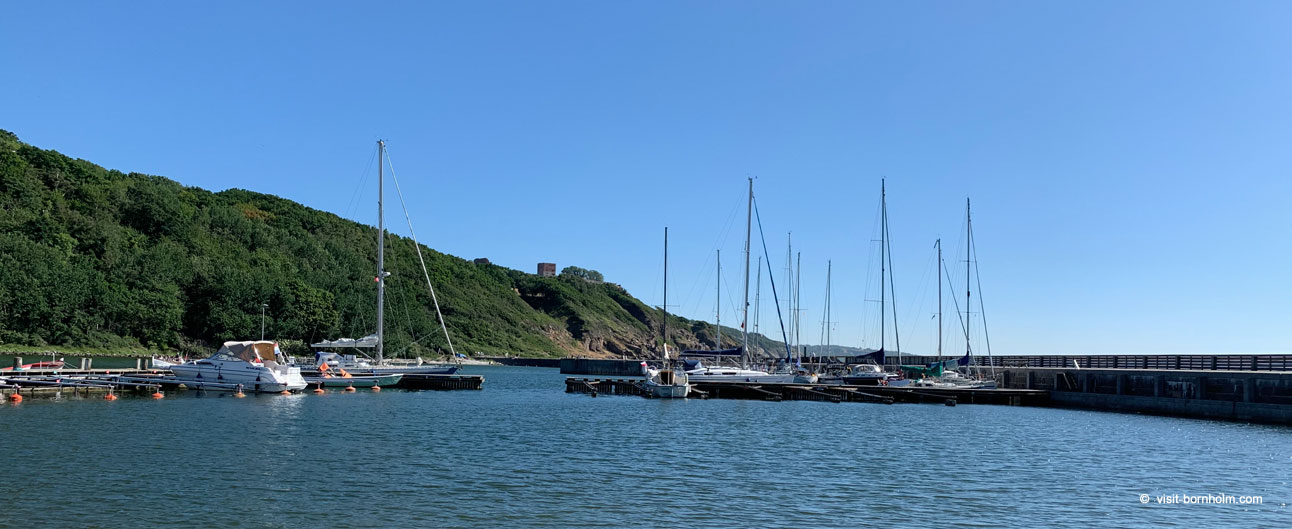
Hammerhavn
A picturesque yacht harbour at the foot of Hammershus. The sailing and walking route from Vang to Hammerhavn is one of the most scenic stretches of the north-west coast.
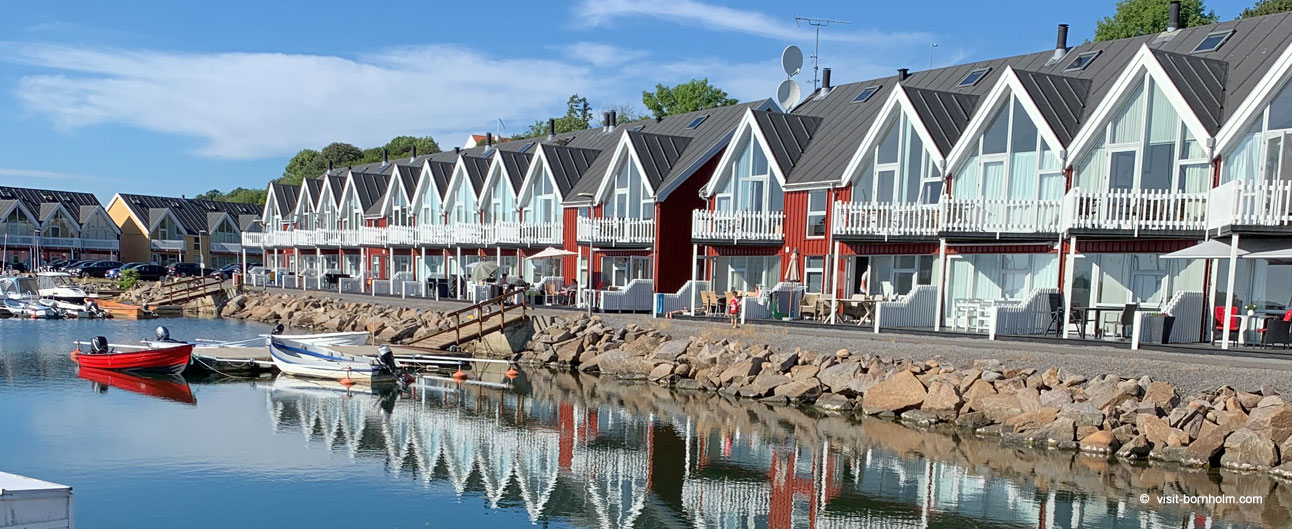
Hasle
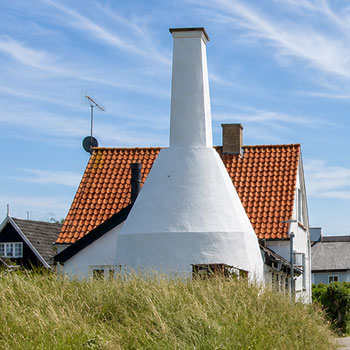
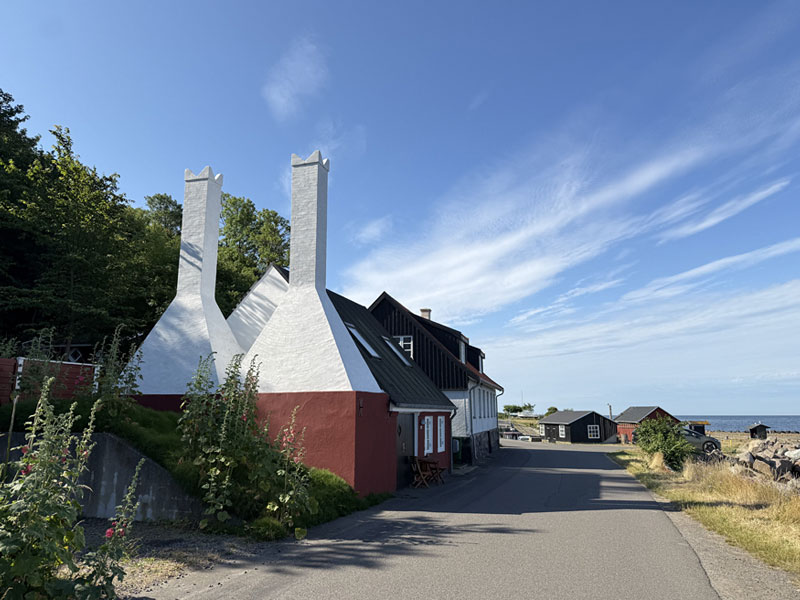
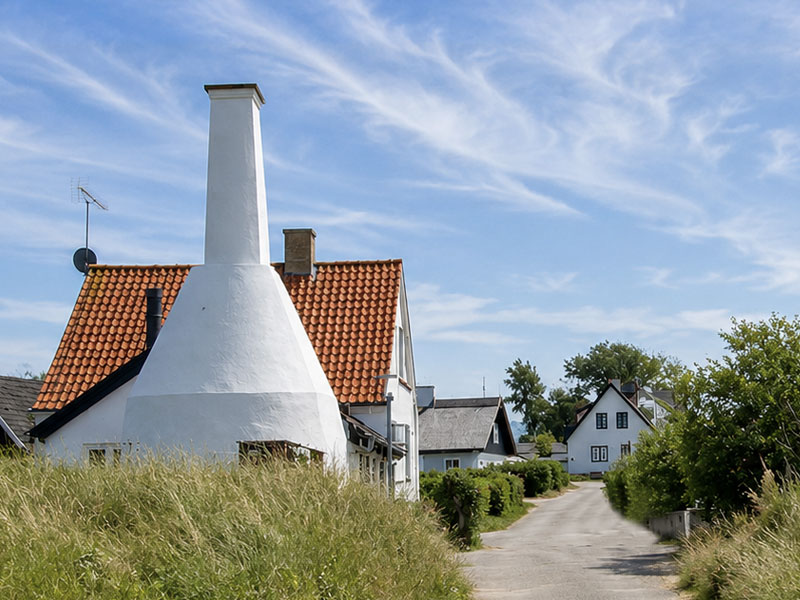
A coastal town 7 km south of Vang, with the famous Hasle Røgeri smokehouse, a harbour, and charming streets. Perfect for an afternoon outing.
Good to know
- Granite from Vang was used to build Copenhagen City Hall and rebuild Christiansborg Palace – the quarry operated from the 1890s until 1996
- Vang Vandmølle is the only listed watermill on Bornholm – built in 1811 with a preserved overshot waterwheel fed by millponds in Ringebakkerne
- Pissebækken stream near Vang is home to the highest waterfall in Denmark – though in warm summers it can run completely dry
Getting there
| By car | A local road branches off the route between Hasle and Allinge to reach Vang. Watch out for the very steep descent to the harbour – slow down and enjoy the views. Parking at the harbour |
| By bicycle | Vang lies on the cycle route along the west coast. The stretch between Hasle and Vang passes through beautiful cliff scenery – a steep climb and descent that rewards the effort with spectacular views |
| By bus | BAT buses on the Rønne–Allinge–Sandvig route stop on the main road above Vang. From there it is about a 10-minute walk down to the harbour |