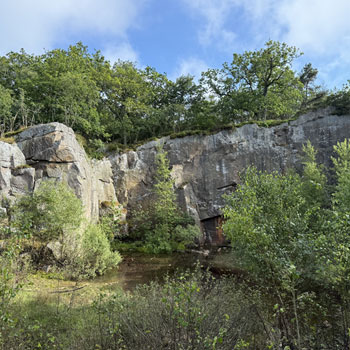
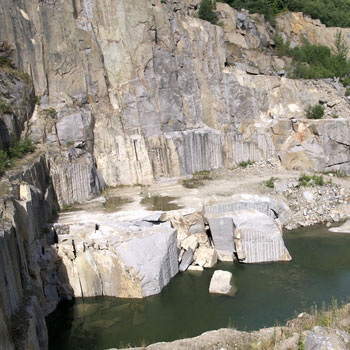
Vang Granite Quarry
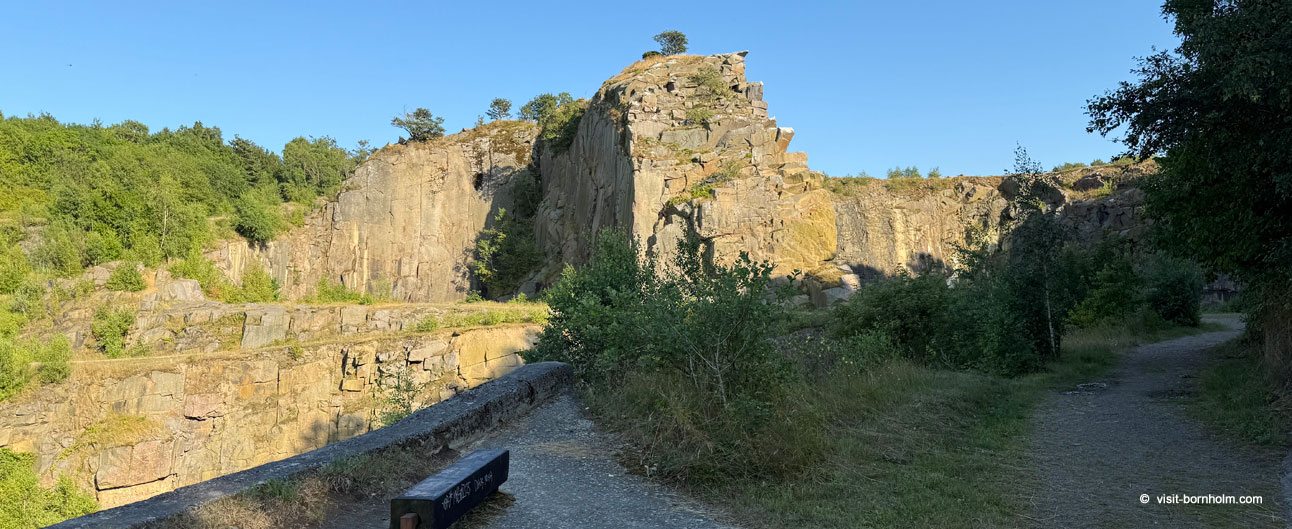
Vang Granitbrud is the largest and most famous granite quarry on Bornholm, located on the island's northwest coast, just south of the picturesque fishing village of Vang. The history of granite extraction here began in the 1880s and lasted over a hundred years, shaping the landscape, economy, and identity of the entire region. Today, the former quarry is a unique place combining fascinating geology, rich industrial history, and excellent conditions for outdoor activities.
The History of a Granite Adventure
It all began in 1895, when stonemason Jacob Mogensen from Nylars leased land belonging to the Hullegård farm and founded Vang Stenhuggeri. Mogensen believed the area could become a true Klondyke – a reference to the American gold rush. After receiving a large order for granite to build Copenhagen City Hall, he laid a track on the beach for wagons that transported stone blocks to the port of Vang.
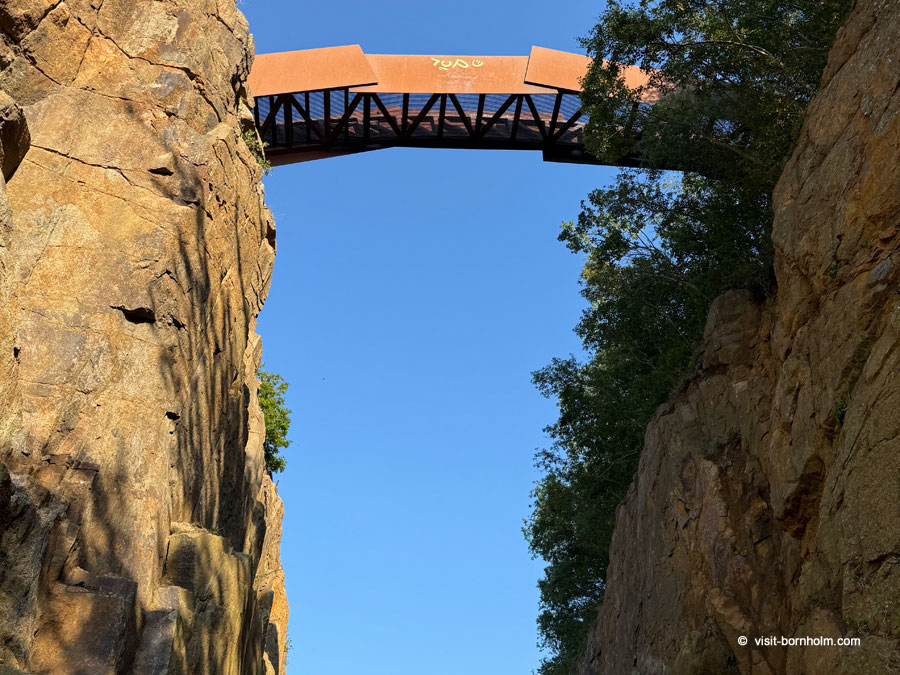
The Great Industrial Era
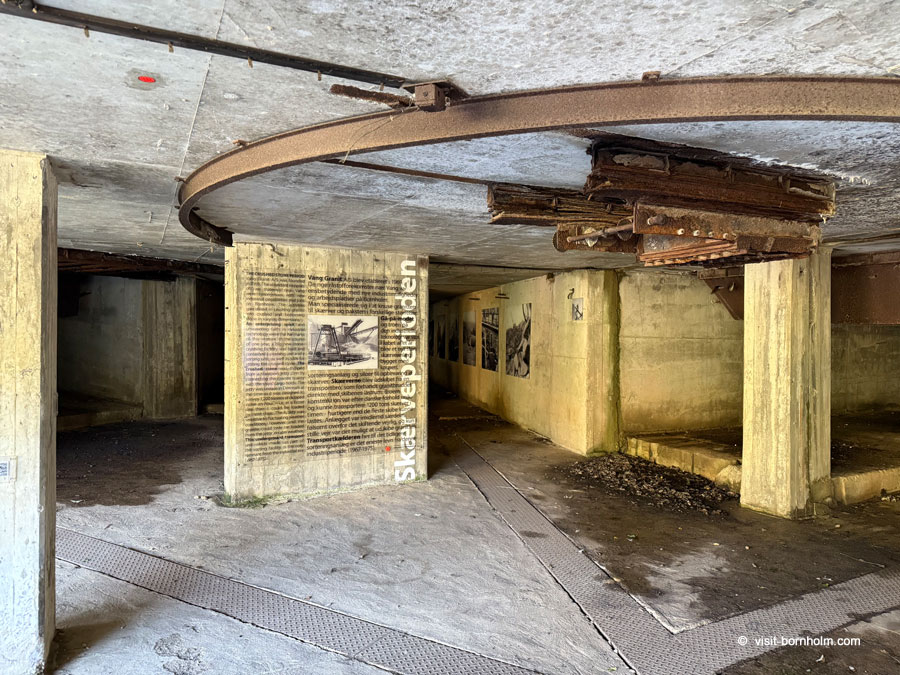
Granite from Vang was used to construct many prestigious buildings in Denmark – Copenhagen City Hall, the National Museum, and even Christiansborg Palace. In the early 1970s, a conveyor belt was installed from the crushing plant to the loading wharf. In the mid-1980s, large-scale industrial extraction began – granite from Vang was used for the construction of the Great Belt Bridge (Storebæltsbroen). Two quarries – Vang-bruddet and Almeløkken – were connected by a transport road, and a loading pier for ships was built on the coast.
In 1992, the Superfos corporation took over the quarry and installed a modern crusher at Almeløkken, capable of producing 100,000 tonnes of crushed granite per year. Exports to the former East Germany were planned, but the optimistic forecasts did not materialise. Conflicts with environmental regulations and protests from local residents led to the quarry's closure in 1996. The large crusher was dismantled and sold to a German entrepreneur, who relocated it to southern Poland.
A New Life for the Quarry
Thanks to the "New Life in Vang Granite Quarry" project (Nyt Liv i Vang Granitbrud), carried out by the RealDania and Mulighedernes Land foundations, the former quarry has been transformed into a beautiful nature and recreation area. New hiking trails, shelters, picnic areas, mountain biking routes, and climbing walls have been created. The site is now a paradise for outdoor sports enthusiasts.
How to Get There
The easiest way to reach Vang quarry is from Borrelyngvej – turning onto Ringedalsvej takes you through the scenic Ringebakke quarry. It is not possible to drive through the Vang quarry itself, but there is a car park at the entrance. The coastal path Kyststien from Hasle to Hammershus passes through Vang.
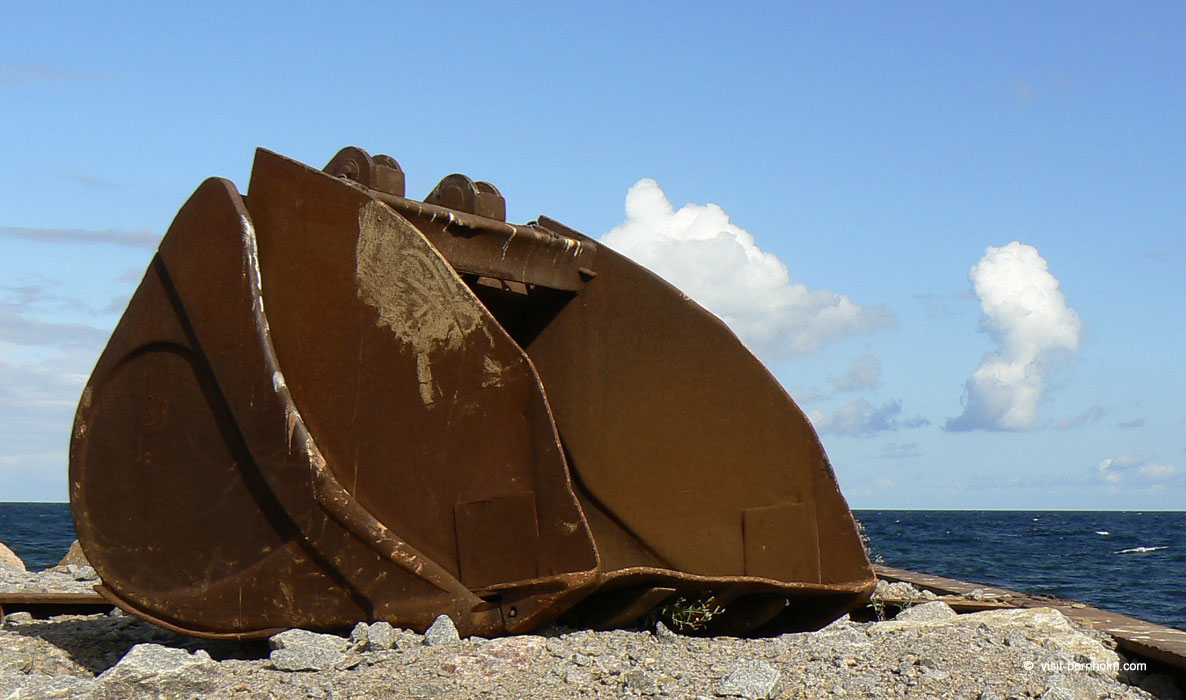 Remnants of the quarry's industrial history
Good to know about Vang Quarry
- Granite extraction began in 1895 and lasted over 100 years – the quarry closed in 1996
- Granite from Vang was used to build Copenhagen City Hall, the National Museum, and the Great Belt Bridge
- At its peak, the plant produced 100,000 tonnes of crushed granite per year
- A permit was granted for the extraction of over 4.5 million m³ of granite
- Today the area offers MTB trails, climbing walls, shelters, and hiking paths
- Free admission all year round – an ideal spot for active recreation
Location
| Vang Granitbrud | |
| Ringedalsvej, 3790 Hasle | |
| Access via Ringebakkebrud – turn off Borrelyngvej onto Ringedalsvej | |
| Free parking at the quarry entrance | |
| Navigate: |