Bornholm – a Baltic island full of attractions
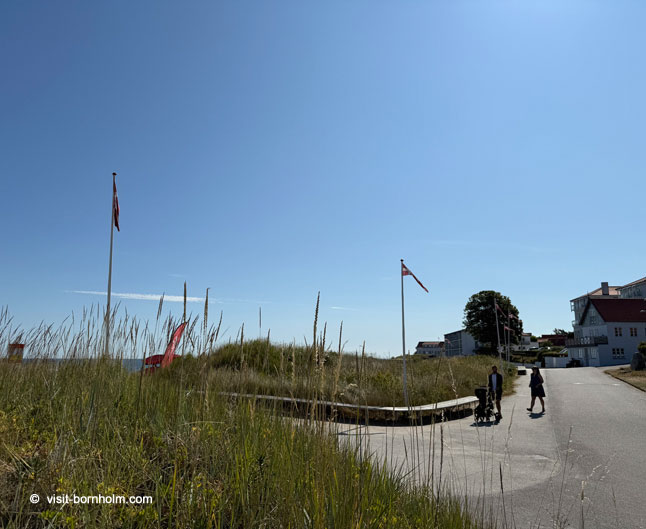
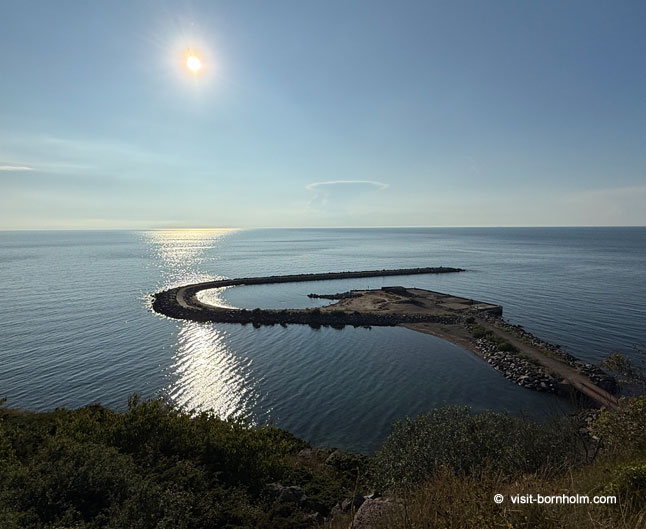
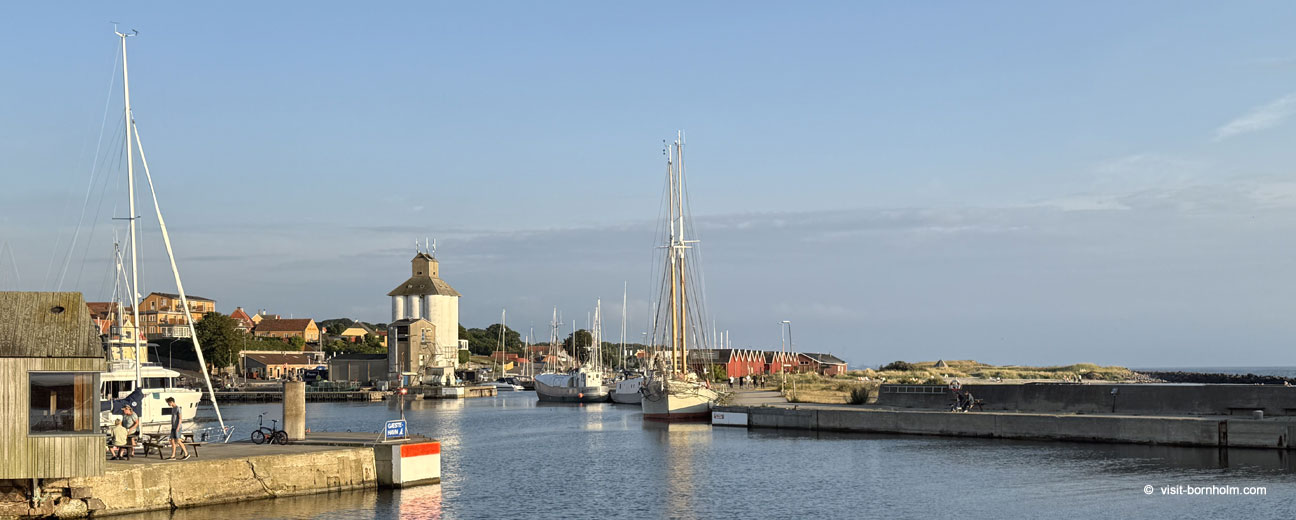
Bornholm is an island where nature, history, and local craftsmanship create a coherent story. Rocky cliffs in the north, wide beaches in the south, medieval ruins, round churches, old windmills, and small harbor towns make exploring here slow and full of curiosity. It is a place where you can walk along coastal paths, visit artisans’ workshops, and discover traces of ancient cultures that have shaped the island for centuries.
Explore Bornholm – the most beautiful places, history and tradition
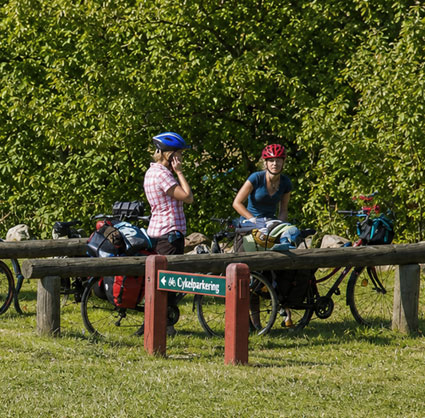
The island invites you to discover it at your own pace. Cycling routes lead through forests, fields and cliffside paths, while smokehouses and small cafés tempt with local flavours. Bornholm doesn’t need big slogans — its charm lies in simplicity, authenticity and the chance to be truly close to nature.
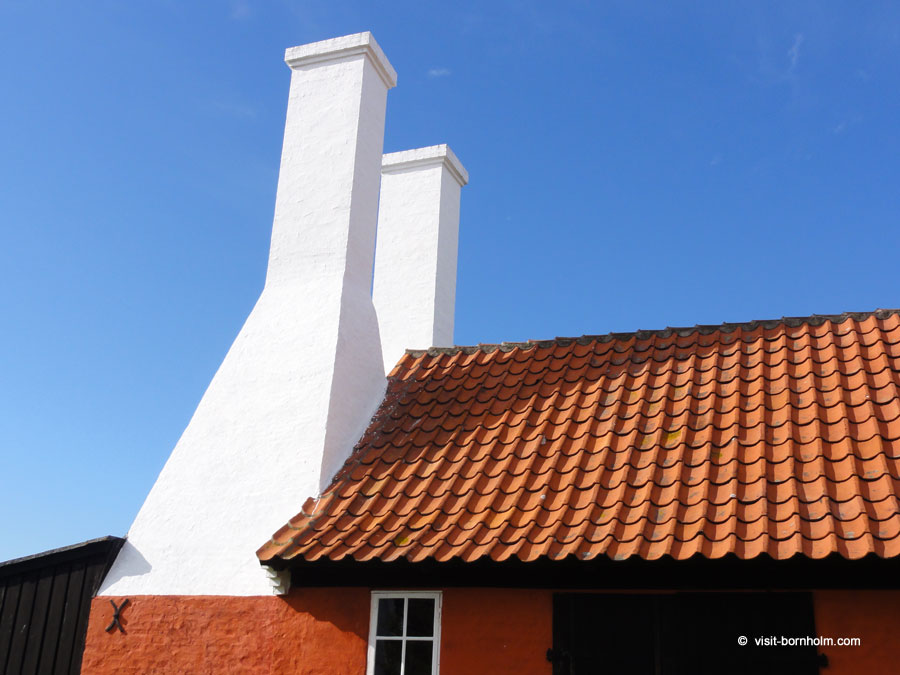
Bornholm is an island that beautifully combines outdoor activity with relaxation — you will find hiking and cycling trails, beaches and peaceful small towns ideal for family trips. It is also a destination for food lovers: local smokehouses, artisanal products and cuisine rooted in island traditions.
How to get to Bornholm
The easiest option is a direct ferry from Sassnitz (Germany) to Rønne – a fast and convenient connection. You can also travel via Świnoujście with a transfer in Ystad (Sweden), from where ferries run to Rønne all year round.
You can travel to Bornholm by car, camper or with a bicycle — ferries transport vehicles and luggage without any trouble. There are also flight options (seasonal and domestic routes to Rønne).
Relaxation and beaches
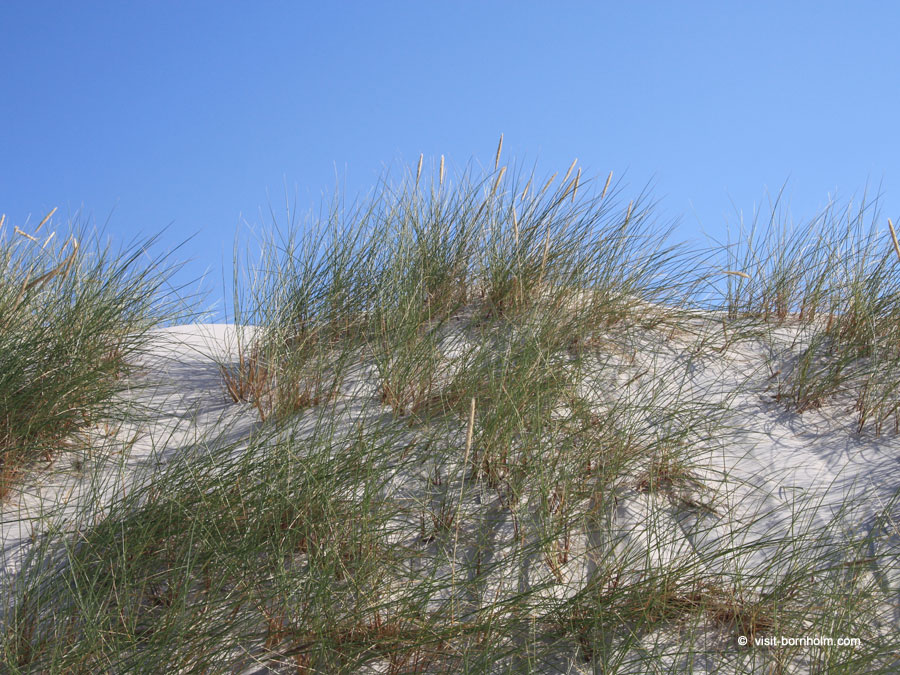
On Bornholm you can enjoy an active kind of rest — swim in the sea, rent a kayak, follow a clifftop trail or simply lay your towel on the sand and listen to the waves. Beaches like Dueodde, Balka or the small coves below Helligdomsklipperne offer both space for swimming and quiet spots for sunbathing and playing with children.
Bornholm offers some of the most beautiful beaches on the Baltic Sea – from the wide, bright sands of Dueodde to intimate bays hidden between cliffs. It’s an ideal place for peaceful relaxation, sea bathing, seaside walks and sunny family days.
Bornholm for families with children
A family holiday on the island means calm beaches with gentle access to the sea, easy walking routes, small harbour towns full of ice-cream shops, and attractions you can enjoy without rushing — a water park, mini-golf, interactive museums.
Activities and sports on Bornholm
The island offers a dense network of hiking trails, excellent cycling routes, options for water sports (kayaking, SUP, sailing), as well as climbing in former quarries that now serve as recreational areas.
Bornholm for active travellers
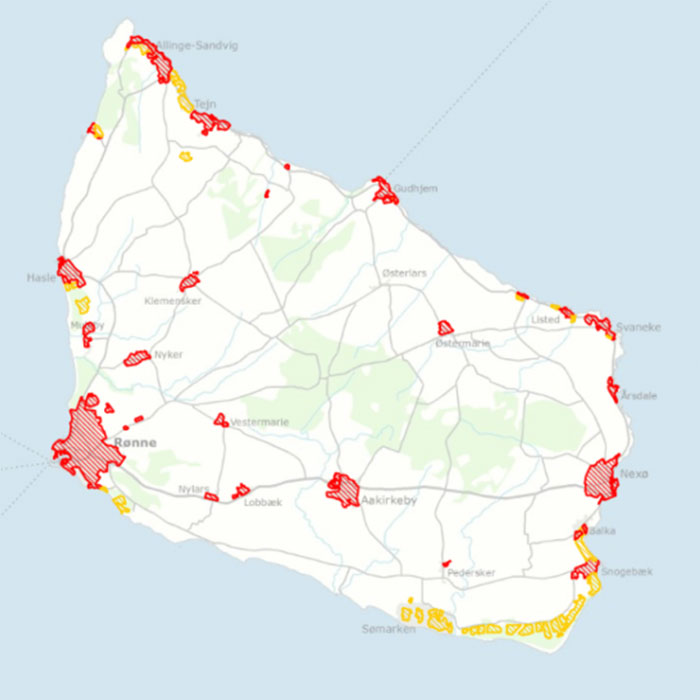
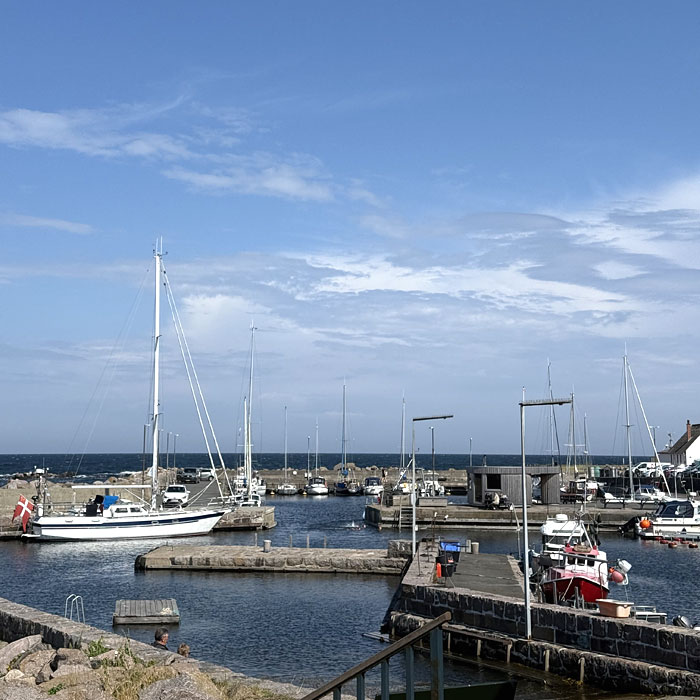
Interactive Map of Bornholm
Thanks to the interactive map of Bornholm from Visit Bornholm, you can effortlessly explore the island’s most fascinating spots. You’ll find attractions, the distinctive round churches, beaches, museums, and even the island of Christiansø. You can also discover where to find shops, affordable campsites and shelters — everything you need to plan the perfect adventure.
Bornholm today
The island covers about 589 km2 and belongs to the Kingdom of Denmark, although it lies outside the country’s main territory – in the Baltic Sea, closer to Sweden than to Jutland. Around 39,000 people live here, giving it a calm, local atmosphere and a sense of space often missing in larger urban areas. Near Bornholm is also the small Ertholmene archipelago, known for its rugged landscapes and rich birdlife.
Bornholm stands out with its surprising variety of landscapes: from granite cliffs around Hammershus, through forested valleys and lakes, to the wide, bright beaches of Dueodde. It’s an island where history (round churches, castles, mills) blends with outdoor activities and a lifestyle closely connected to nature.
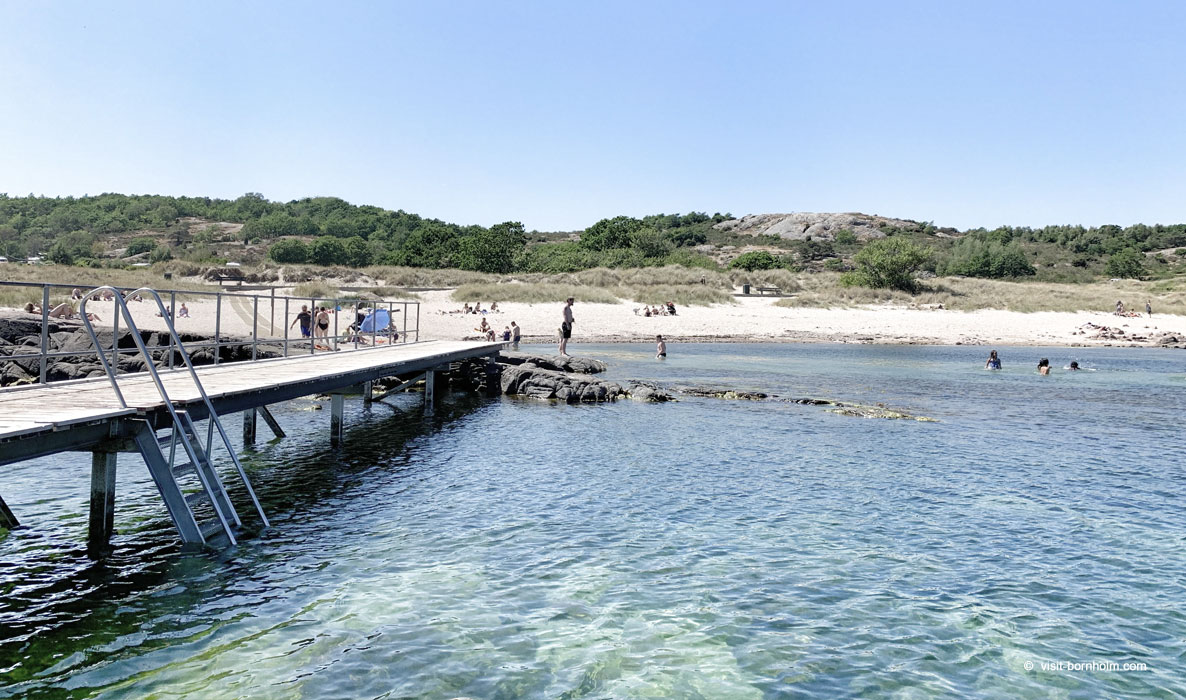 Sandvig Beach
History
The island has a long history of settlement, and its strategic location in the Baltic meant that over centuries it was ruled by Denmark, Sweden and the Hanseatic city of Lübeck. In the Viking Age it was an independent kingdom with the stronghold of Gamleborg as its centre of power.
During World War II the island experienced a unique episode — after German occupation in 1940, in May 1945 the towns of Rønne and Nexø were bombed by Soviet aircraft when the German garrison refused to surrender, and the island remained under Soviet occupation until April 5, 1946 — making Bornholm one of the few places in Europe where the period of "liberation" and "reconstruction" followed a different course than in the rest of Denmark.
History of Bornholm – from the Vikings to the Cold War
Weather on Bornholm
Bornholm is one of the sunniest places in Denmark — statistically around 1,800 hours of sunshine per year. Summer is mild, with temperatures around 20°C, and the maritime microclimate means that spring and autumn are also pleasant for outdoor activities. It's worth checking the forecast before your trip.
Weather and climate on Bornholm
Accommodation on Bornholm
The island offers a wide range of accommodation to suit every budget — from hotels and guesthouses with sea views, through well-equipped campsites, to free shelters along hiking trails. Many places are located close to beaches and cycling routes.
Attractions on Bornholm
From the ruins of Hammershus Castle and medieval round churches, through interactive museums and amusement parks, to local smokehouses and craft workshops — Bornholm offers dozens of attractions for all weather and all ages.
Map of Bornholm
The interactive map of Bornholm helps you plan your route and find the most interesting places on the island — towns, beaches, museums, campsites, shelters and tourist attractions all in one place.
Good to know
- Free maps, brochures and guides are available at tourist information points
- The island has an extensive network of cycling paths (approx. 250 km), running through forests, towns, coastline and cliffs
- Summer here is usually mild, sunny and dry, and the coastal microclimate makes temperatures pleasant for active holidays
- There is a wide choice of accommodation — holiday homes, guesthouses, hotels, campsites and tent sites
- Buses on the island transport bicycles, which makes planning routes and return trips easier
- Wild camping is prohibited, but there are designated, legal shelters and camping areas
- You can discover inspiring photos of Bornholm in our Gallery
- Guide & Tourism on Bornholm - www.visit-bornholm.com
On the island you’ll also find plenty for art and food lovers: small galleries and artisan workshops, smokehouses with long family traditions, local breweries and restaurants that use seasonal and regional ingredients.
FAQ – questions about Bornholm
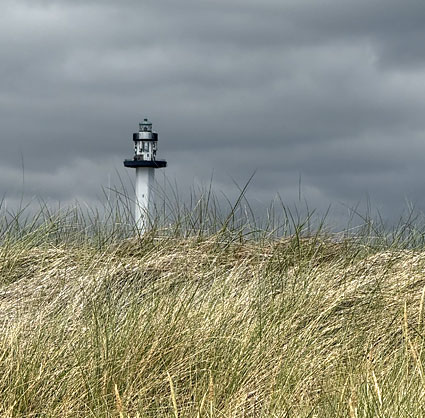

Current events, attractions and highlights
Get to know Bornholm better—see what’s happening on the island right now. Ideas, inspiration, tips...


