Discover Bornholm’s Wind and Water Mills
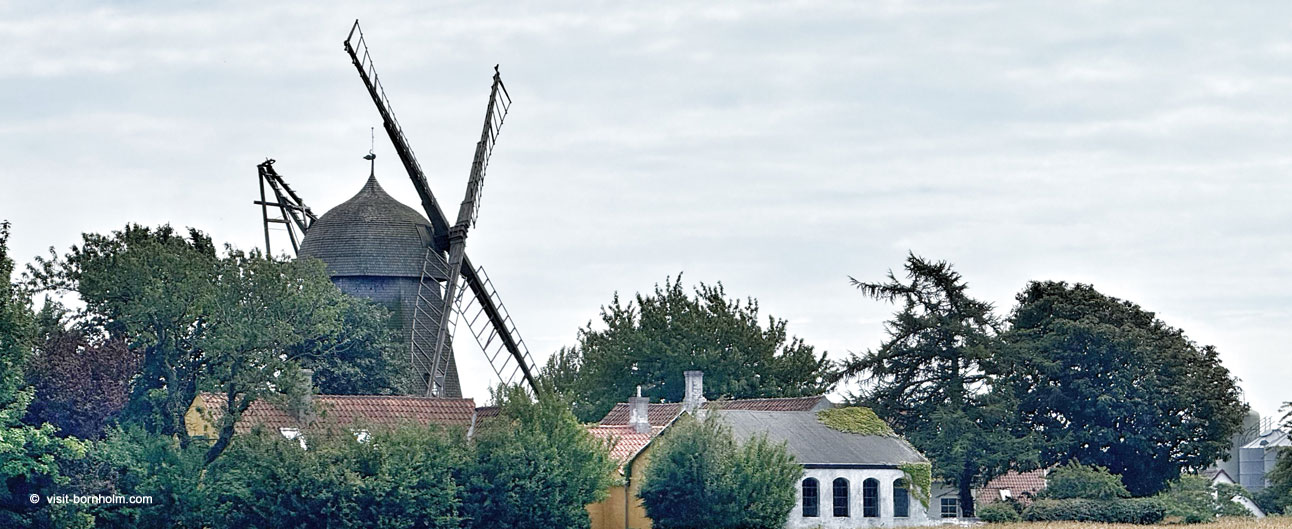
Bornholm, often called the Island of Sun and Wind, is famous not only for its scenic cliffs and medieval round churches, but also for its numerous windmills – symbols of the island’s agricultural past. Over the centuries, more than a hundred of them were built, and many have survived to this day as valuable examples of historical engineering.
The most notable ones include the Egeby Mill from 1787, the Årsdale Mill – still in operation and open to visitors – and the impressive Svaneke Mill, whose sails continue to turn in the wind. The windmills of Bornholm vary in design, from Dutch-style mills to traditional Danish post mills, and form an inseparable part of the island’s landscape.
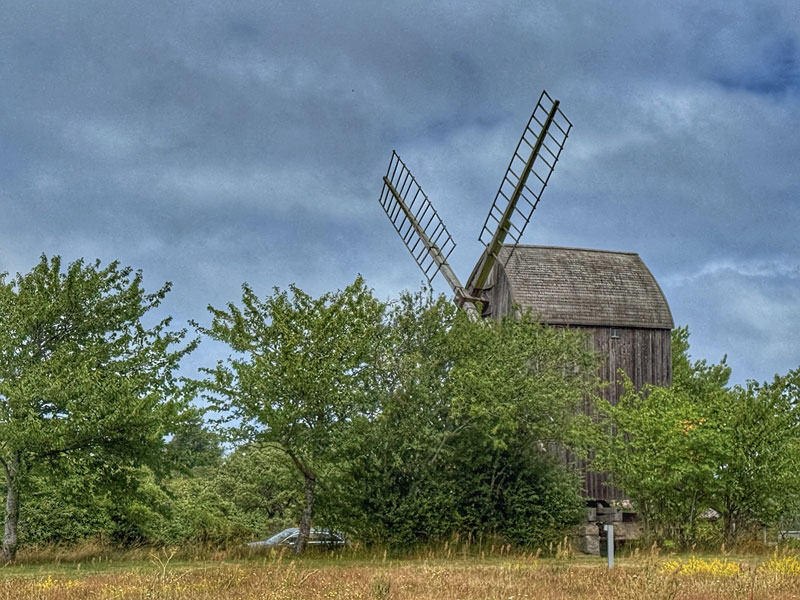
Post Mill in Svaneke
In Svaneke stands a historic post mill, one of the oldest of its kind on Bornholm. It is a valuable example of traditional Danish rural architecture and a testament to the island’s old grain milling techniques.
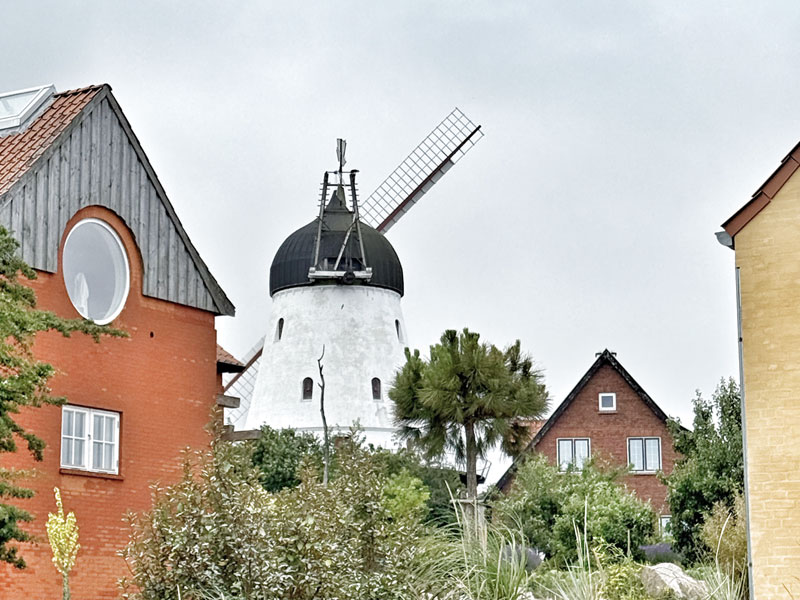
Dutch Windmill in Gudhjem
In Gudhjem, you can admire an impressive Dutch-style windmill – a characteristic Bornholm landmark and a fine example of 19th-century industrial architecture. For many years, it served the local community for grain milling and today remains one of the most recognizable features of the town’s skyline.
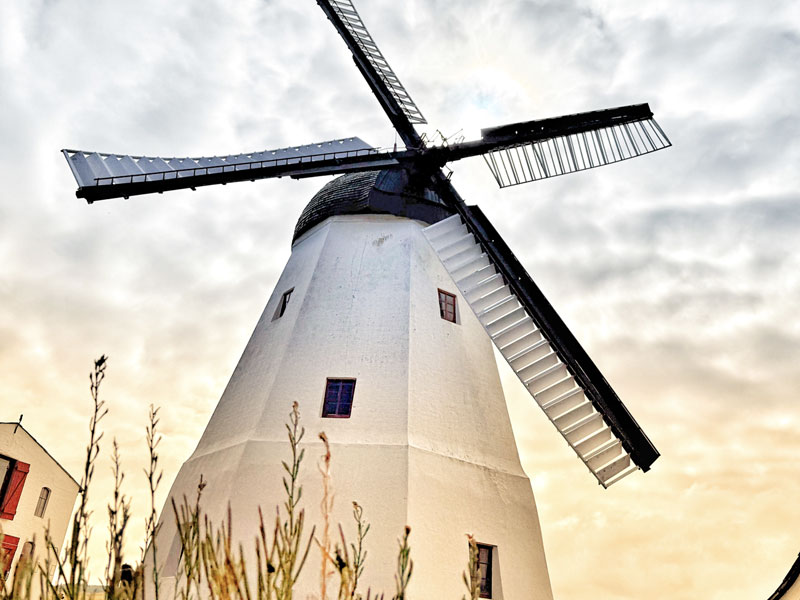
Windmill in Årsdale
In Årsdale stands a fully preserved and still functioning Dutch windmill, one of the oldest of its kind on Bornholm. It is an exceptional piece of industrial heritage that has reminded locals of the island’s milling traditions for over 150 years.
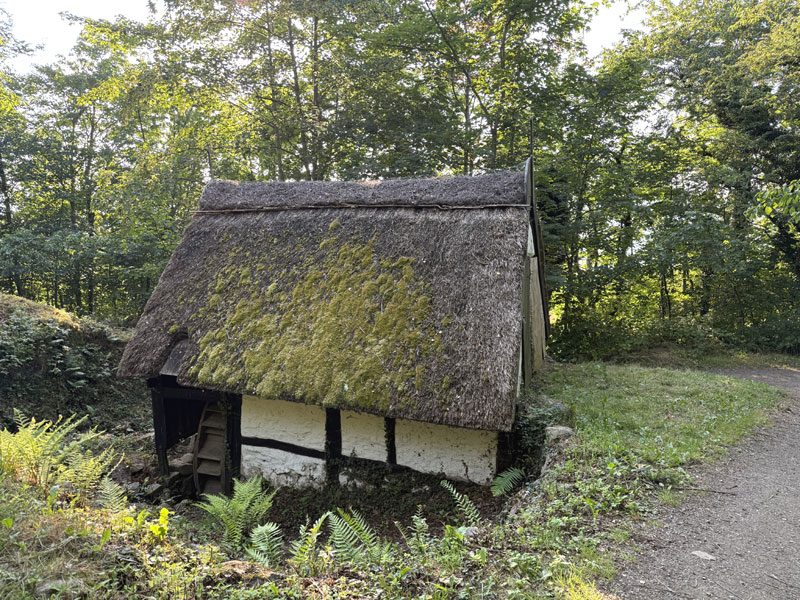
Vang Watermill
Vang Watermill is a picturesque mill from the early 19th century, located in a valley on Bornholm’s western coast. It is an important historical site that reflects local craftsmanship and the island’s coastal landscape. The surrounding area is perfect for a walk, and a visit can easily be combined with a trip to the nearby quarry.
In addition to windmills, Bornholm also features fascinating watermills that once harnessed the power of the island’s streams and rivers. In the past, they were used for grinding grain, pressing oil, and even powering carpentry and blacksmith workshops. One of the best-preserved examples is the Melsted Mill, picturesquely located by a stream near Gudhjem – now part of the Melstedgård open-air museum, where visitors can experience everyday life on a historic Bornholm farm. Other examples, such as the mills in Slusegård and Højlyngen, remind visitors of the time when the forces of nature were the island’s main source of energy.


