Ferries to Bornholm
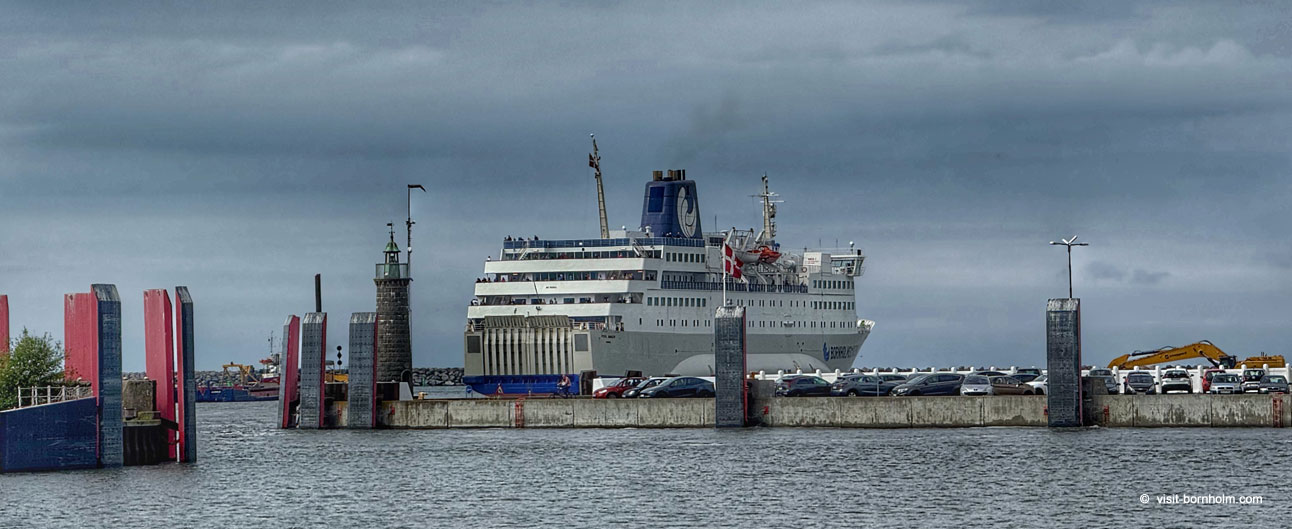
Ferries to Bornholm operate from three directions: Poland, Germany, and Denmark. From Świnoujście, you can reach the island via Ystad in Sweden, from where ferries depart to the port of Rønne on Bornholm. A direct ferry runs from the German port of Sassnitz on Rügen to Bornholm, offering one of the fastest connections from the continent. Meanwhile, from the Danish port of Køge, located near Copenhagen, nightly ferries depart daily to Rønne, providing a convenient connection with the rest of Denmark.
Ferries to Bornholm and Flexible Flexi Tickets
Ferries to Bornholm offer a convenient and fast way to reach the Danish island from Poland, Germany, or Denmark. Depending on the departure port, travelers can choose between seasonal or year-round routes operated by modern ferries that ensure a comfortable journey. The Flexi ticket system allows passengers to change their travel dates flexibly without additional fees – an ideal solution for those who plan ahead but value flexibility.
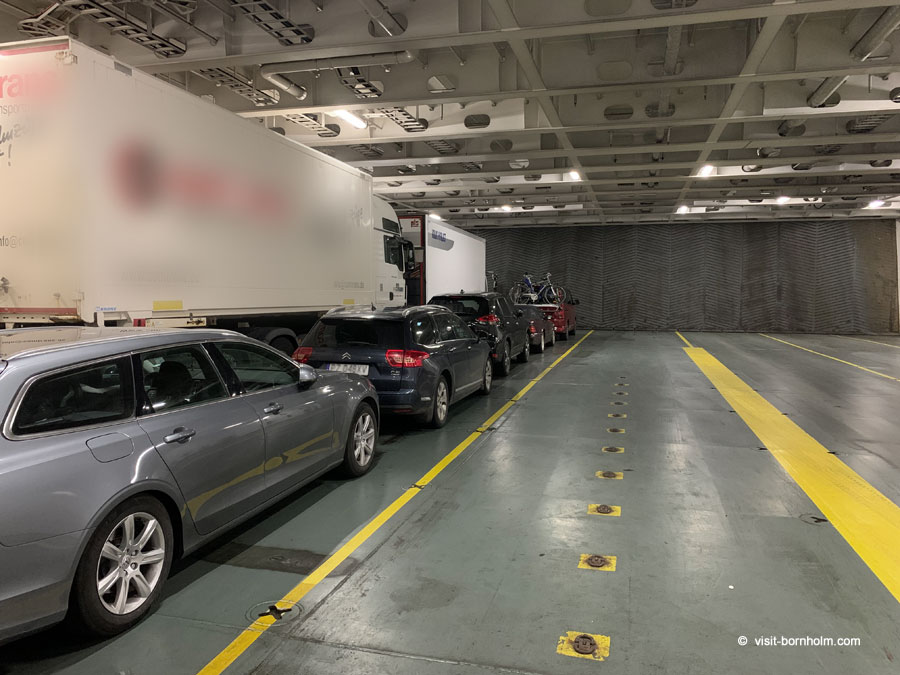
Bornholm ferries operate from Sassnitz, Ystad, and Køge, offering transport for cars, trucks, buses, and bicycles, as well as comfortable passage for foot passengers. This makes the island easily accessible for both individual travelers and organized groups.
Sassnitz – Rønne Ferry
The Sassnitz – Rønne connection is a direct route linking the German island of Rügen with Bornholm. The crossing takes about 3.5 hours and is one of the fastest connections from the continent to the Danish island. The ferry departs from the port of Sassnitz, offering transport for cars, trucks, buses, bicycles, and foot passengers. It is an ideal option for travelers from Germany and Western Europe who want to reach Bornholm comfortably and without transfers. With Flexi tickets, passengers can change their travel dates easily, ensuring convenience and flexibility when planning their trip.
Ystad – Rønne Route
The Ystad – Rønne route is the most popular and fastest ferry connection to Bornholm. The journey takes about 1.5 hours and is operated by modern high-speed ferries that provide a comfortable voyage across the Baltic Sea. From Ystad, travelers can easily reach Rønne, the island’s main town, by car, bus, bicycle, or on foot. Flexi tickets are also available, allowing passengers to change their travel dates without extra cost – the perfect solution for tourists and drivers who prefer more flexibility when planning their trip.
Świnoujście – Rønne via Ystad Route
The Świnoujście – Rønne via Ystad connection provides a convenient link between Poland and the Danish island of Bornholm. The journey includes a transfer in the Swedish port of Ystad, from where ferries depart directly to Rønne. It is a practical option for travelers from Poland, allowing easy access to Bornholm by car, on foot, or with a bicycle. The entire trip is smooth and comfortable, and thanks to flexible Flexi tickets, travelers can easily adjust their travel dates to suit their plans.
Rønne – Køge Route
The Rønne – Køge connection is a night ferry route linking Bornholm with Zealand, near Copenhagen. The ferry usually departs from Rønne in the evening and arrives in Køge in the morning, saving time and allowing for a comfortable continuation of the journey through Denmark. The route accommodates cars, trucks, buses, bicycles, and foot passengers, ensuring full travel flexibility. Flexi tickets allow passengers to change travel dates without extra fees – particularly useful when planning onward travel connections within Denmark.
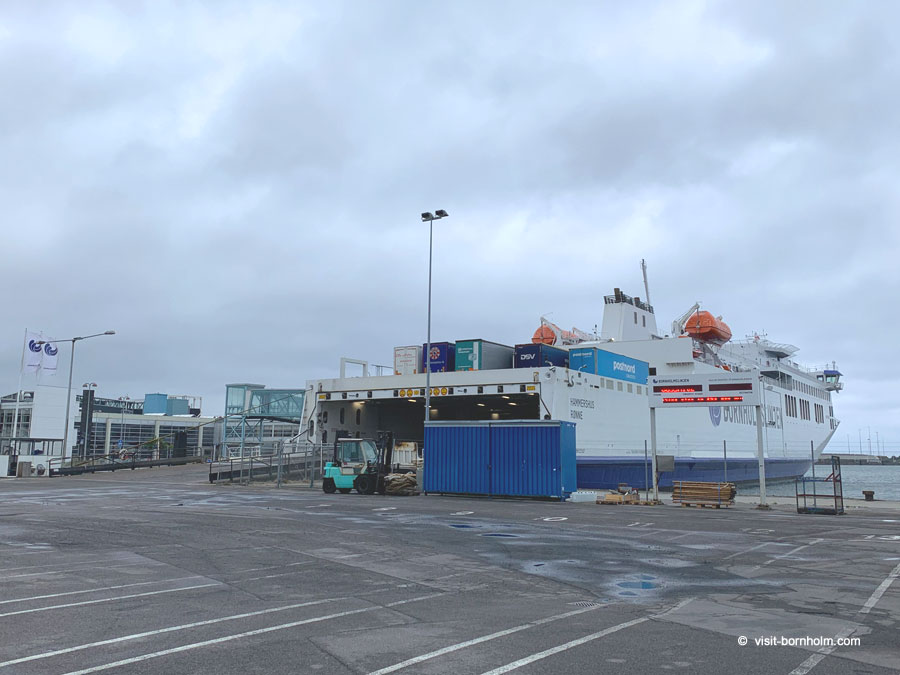
Comparison of Ferry Routes to Bornholm
| Route | Travel Time | Vehicles Carried | Flexible Flexi Tickets | Average CO2 Emission / Passenger* |
|---|---|---|---|---|
| Sassnitz – Rønne | approx. 3.5h | Cars, trucks, buses, bicycles, foot passengers | ~15–18 kg | |
| Ystad – Rønne | approx. 1.5h | Cars, trucks, buses, bicycles, foot passengers | ~10–12 kg | |
| Świnoujście – Rønne (via Ystad) |
approx. 6–8h (+ 1,5h) |
Cars, trucks, buses, bicycles, foot passengers | ~30–35 kg | |
| Rønne – Køge | approx. 5.5–6h | Cars, trucks, buses, bicycles, foot passengers | ~20–25 kg |
*Estimated CO2 emissions per passenger based on average vessel occupancy; indicative data.