Diving on Bornholm – the underwater world of the Baltic and wrecks around the island
Bornholm is one of the most fascinating diving destinations in Denmark. A rocky seabed, clear water, colourful algae formations and wrecks scattered around the island create conditions that can rival more exotic diving locations. Within a small area you'll find spots ranging from gentle entries on sandy beaches to rock walls descending to 30 metres – and when the sea gets rough, calm inland lakes always remain an option.
Why dive on Bornholm?
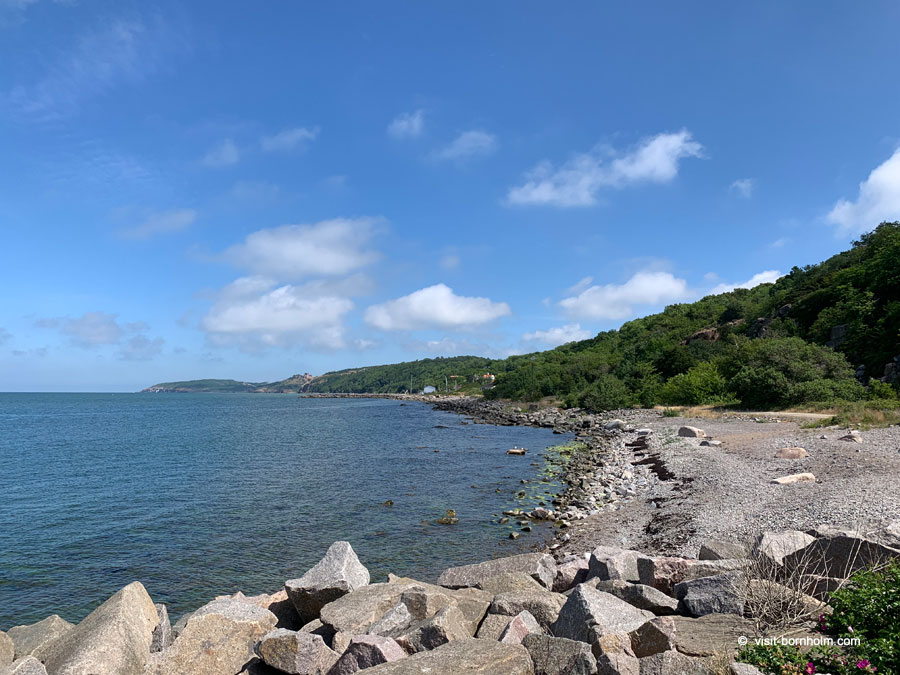
Most of Denmark has a flat, sandy seabed – Bornholm is the exception. The island's granite and gneiss bedrock continues underwater, forming rock walls, canyons, crevices and reefs. Algae covering the rocks change colour depending on depth and season, producing surprisingly colourful dives for the Baltic. Water visibility often reaches 6–10 metres, and in good conditions even more.
An additional advantage is the short distances – from any point on the island you can reach another spot in 20–30 minutes. Regardless of wind direction, you can almost always find a sheltered place to dive.
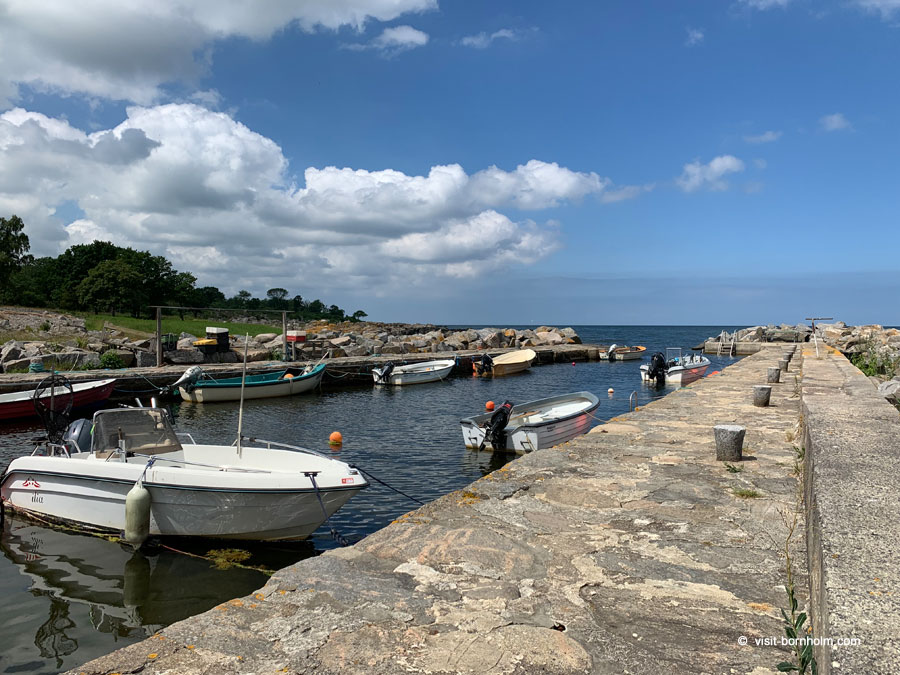
Top dive spots
Below is an overview of tried-and-tested locations – from shallow reefs perfect for beginners to deep canyons and walls for experienced divers. Always choose a spot that matches the current wind conditions and your skill level.
| Spot | Type | Max depth |
|---|---|---|
| Hammerknuden | Coastal route along cliffs | 14 m |
| Sandvig | Reef | 6 m |
| Allinge | Canyon, flatfish | 16 m |
| Næs | Reef | 6 m |
| Tejn | Reef | 10 m |
| Pengekisten | Colourful dive | 8 m |
| Bolshavn | Good for night diving | 8 m |
| Listed | Reef – must-dive | 18 m |
| Hullehavn | Canyons | 30 m |
| Ertholmene | Wall diving – unique | 30 m |
The north-eastern beaches (Sandvig, Tejn, Pengekisten) are great for beginners – gentle entries, shallow water, sandy bottom transitioning to rock. The south-western coast (Hullehavn, Listed) attracts more experienced divers with deeper canyons and more interesting bottom topography.
Wrecks & dive spots map
Ertholmene – rock walls on the open sea
The Ertholmene archipelago (Christiansø and Frederiksø), located about 18 km north-east of Bornholm, offers some of the most spectacular diving in Denmark. Rock walls drop steeply to 30 m, the water is exceptionally clear, and marine life is richer than around Bornholm itself. Getting there requires a boat or ferry from Gudhjem.
Inland lakes – Plan B on a windy day
When the sea is too rough, calm lakes in the centre of the island are ideal for training dives or relaxing freshwater immersions. Opalsøen and Rubinsøen (former quarries flooded with water) offer depths up to 12 m and interesting underwater landscapes with rock walls.
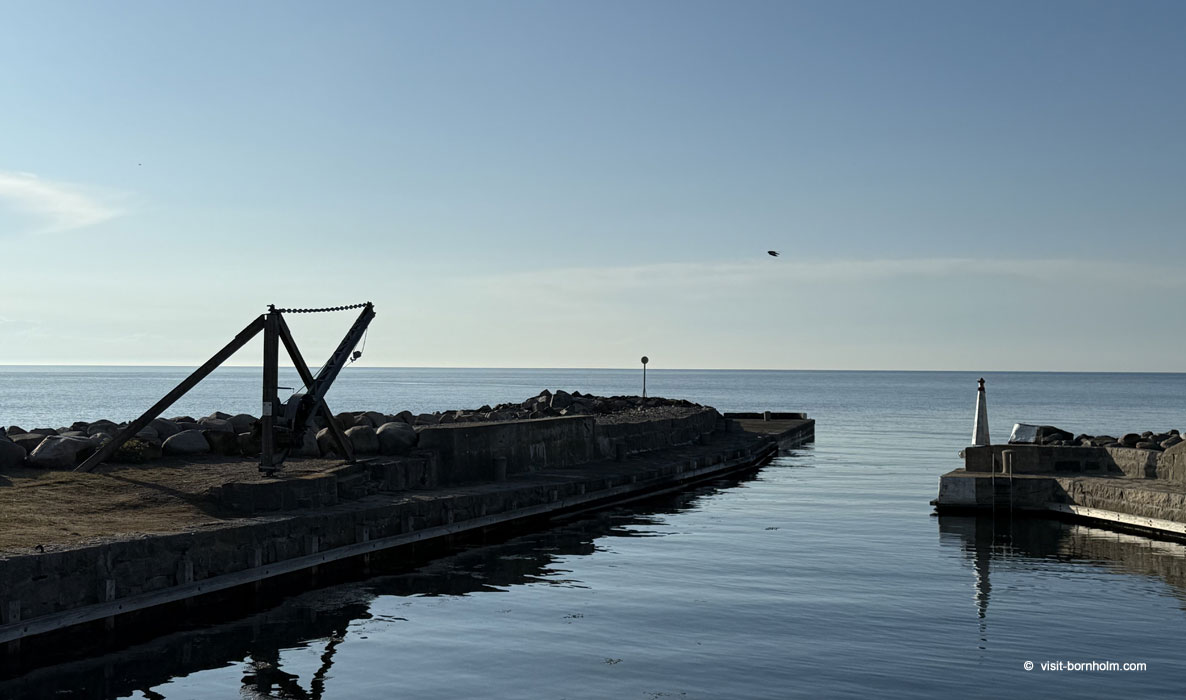 Vang: Bornholm's granite coastline is just as spectacular underwater as above
Wrecks around Bornholm
Bornholm lies at the crossroads of historic Baltic trade routes – over the centuries many ships sank in the surrounding waters. Today these wrecks make fascinating dive destinations, from shallow vessels accessible to recreational divers to advanced dives requiring mixed gases.
Fu Shan Hai
The largest diveable wreck in Northern Europe. This Chinese bulk carrier (over 160 m long) collided with a container ship on 31 May 2003 and sank a few hours later – all 27 crew members were rescued. The wreck lies at a depth of 35–68 m. Diving to the main hull structure starts at about 35 m, the deck is at 47–53 m, and the nameplate at 55 m. This is a dive for very experienced divers – it requires mixed gases (trimix). Dive charters to the wreck depart from Rønne.
Fu Shan Hai – facts
- Depth: 35–68 m
- Level: Very advanced (mixed gases)
- Wreck length: over 160 m
- Access: Dive charter from Rønne (boat required)
Other wrecks
Around Bornholm there are many other wrecks accessible to divers of varying experience levels:
- Whiskey-class submarine – a Soviet submarine from the Cold War era, lying near the island
- Galeas Affaire – a historic merchant sailing vessel
- Koronowo – a Polish ship, an interesting dive object
- MV Bonita – a merchant vessel at moderate depth
- Scottish schooner Ada – a wooden sailing ship, atmospheric dive
Each wreck offers a different experience and difficulty level – it's worth consulting a local dive centre, which will match the destination to weather conditions and your experience.
Conditions and safety
Water visibility
Typically 6–10 m, in good conditions more. The Baltic has low salinity, but the underwater colours of rocks and algae can surprise – it's worth bringing an underwater camera.
Currents and wind
Offshore winds can create strong underwater currents. Always check the wind forecast before diving and choose a spot that matches current conditions.
Water temperature
In summer 15–20°C at the surface, in winter 2–5°C. Thermocline at 10–15 m depth – noticeably colder below. Dry or wet suit depending on the season.
Season
Best conditions from May to October. Warmest water in July–August. Diving is possible year-round, but winter requires experience and appropriate equipment.
Guided diving and courses
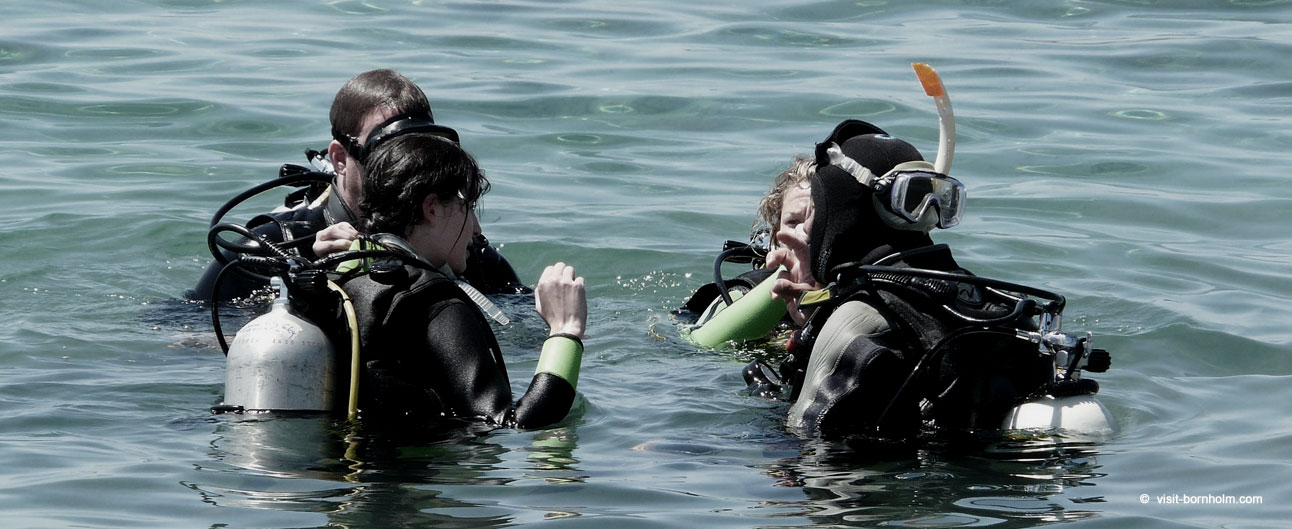
Bornholm has dive centres offering both beginner courses (try-dive with an instructor) and organised wreck charters and guided shore dives. Local instructors know the spots, conditions and currents – it's especially worthwhile to use their services on your first dive on the island or when planning wreck dives.
If you've never dived before – Bornholm is a great place to start. Several spots with gentle entries and depths of 6–10 m allow comfortable first underwater experiences.
Underwater photography
Bornholm is one of the best places in Denmark for underwater photography. Rock formations, crevices, colourful algae and changing light create interesting compositions at every depth. In good conditions (visibility above 8 m) you can take wide landscape shots – a rarity in the Baltic.