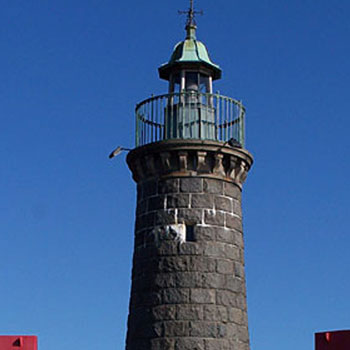
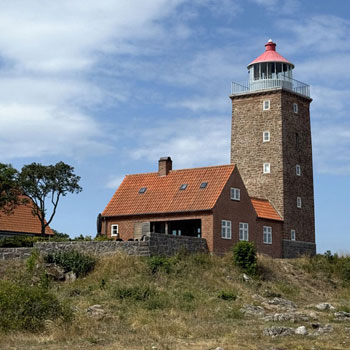
Christiansø Lighthouse (Christiansø Fyr)
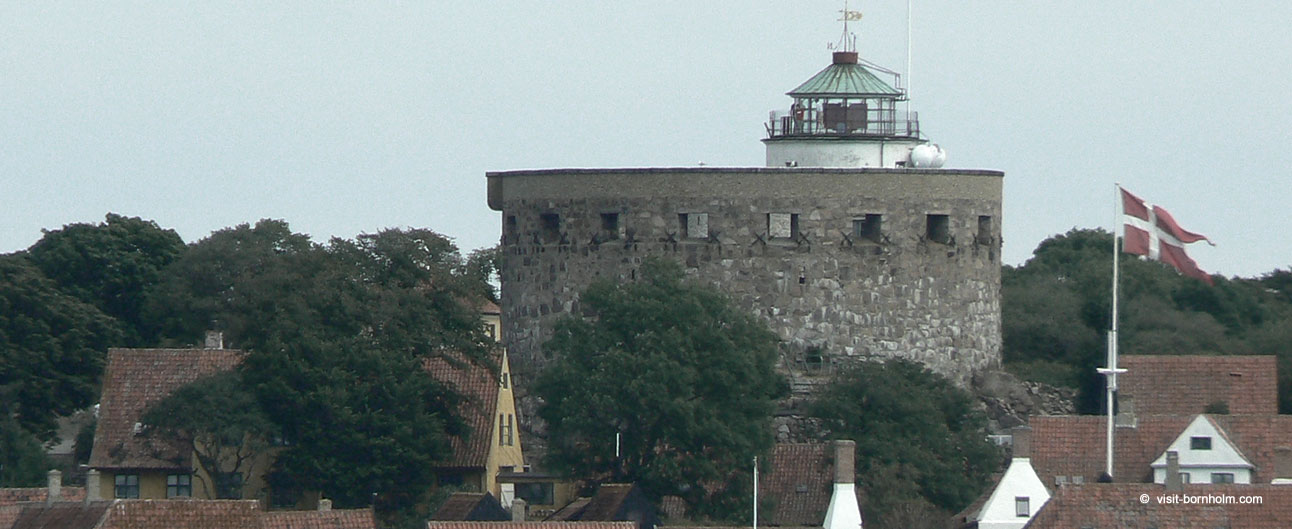
Christiansø Lighthouse is one of the oldest and most historically significant navigation points in Denmark. Located on the island of Christiansø, northeast of Bornholm, it has guided ships safely across the Baltic Sea for more than two centuries. Today, the lighthouse and the surrounding fortifications form a fascinating tourist attraction, offering exceptional views and the unique atmosphere of this historic island.
A View of the Baltic Sea from the Historic Island of Christiansø
Christiansø Fyr is one of the most recognisable walking points on the island, easily accessible for visitors and perfectly integrated into the historic fortifications. Thanks to its location in the very heart of the defensive structures, it is a natural stop during sightseeing – reached by narrow, picturesque paths framed by stone walls and views of the Baltic Sea.
As you head towards the lighthouse, you can enjoy the rugged landscape typical of Christiansø: rocky shores, low vegetation and historic buildings that give the island its unique, fortress-like character. The lighthouse itself stands out with its simple design and harmonious integration with the surrounding architecture – it does not dominate the landscape, but forms an essential part of it.
From its surroundings there is a wide panorama over the sea and the nearby island of Frederiksø, and in good weather the view stretches far towards Bornholm.
Information
Year of construction: 1798–1805.
First lighting: 1 October 1805.
Designer: Poul de Løvenørn, Danish military engineer.
Location: on top of the 17th-century fortress tower Store Tårn, which rises 16 metres above sea level.
Construction and Appearance
Height of the tower: 16 m.
Height of the light above sea level: 29 m.
Light range: approx. 33 km (18 nautical miles).
Light characteristic: a white flash every 5 seconds.
The lighthouse features: a white cylindrical tower with a green lantern and gallery, set on top of the granite fortress Store Tårn. It is one of the most recognisable landmarks on Christiansø.
Significance and Curiosities
Christiansø Fyr played a vital role in ensuring safe navigation in the Baltic Sea, especially around the Ertholmene islands. Today it is a popular tourist attraction offering spectacular views of the sea and surrounding islands.
The lighthouse was the first in Denmark to use a flashing light system, inspired by the Swedish lighthouse in Marstrand from 1781. Originally it operated with nine gilded parabolic mirrors and oil burners, mechanically rotated to produce three flashes per minute. In 1879 the system was replaced with a Fresnel lens, and in 1973 a lens from Hyllekrog Lighthouse was installed.
Location on map
Click and drag the map to move it. Use mouse wheel or +/- buttons to zoom in/out.