Bornholm for Every Season
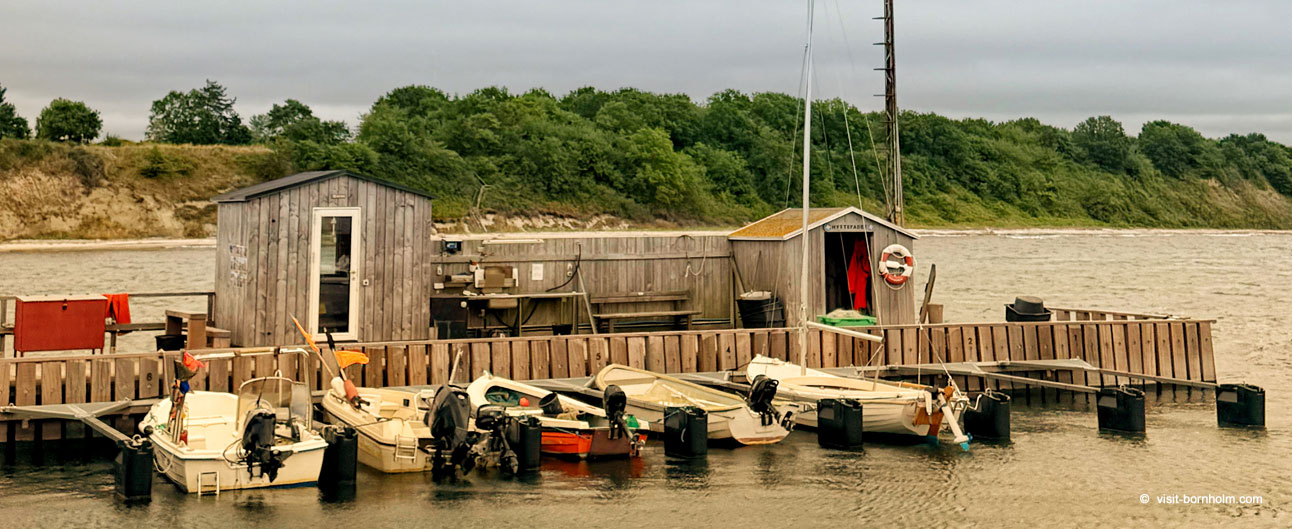
On Bornholm, the change of seasons is especially noticeable. In spring, nature awakens after winter; in summer, life revolves around beaches and events; in autumn, the island gains warm colors and a cultural rhythm; and in winter, it slows down, offering peace and everyday traditions.
Each season has its own character and influences the landscape, activities, and the lifestyle of the island’s inhabitants. Thanks to this, Bornholm is attractive all year round – each visit reveals a different side of the island.
Spring – the season of awakening nature and art
Spring on Bornholm begins earlier than in most of Denmark. In March and April, the first flowers appear on the island, and the forests of Almindingen and the rift valleys turn green. During this time, temperatures range from 6 to 12°C, and daylight quickly increases.
May marks the start of the cultural season. One of the best-known events is the Bornholm Art Tour (held between late May and early June), during which local artists and craftspeople open their studios to visitors. You can observe the creation of ceramics, glass, jewelry, and paintings.
Spring is also the beginning of the cycling season. Bornholm offers more than 230 km of cycling paths connecting towns, beaches, and viewpoints.
Summer – the longest days and festival season
In summer, Bornholm enjoys the most sunshine in all of Denmark – statistically about 1,800 hours per year. The average temperature in July is around 20°C, and the days are long, with sunsets well after 10 p.m.
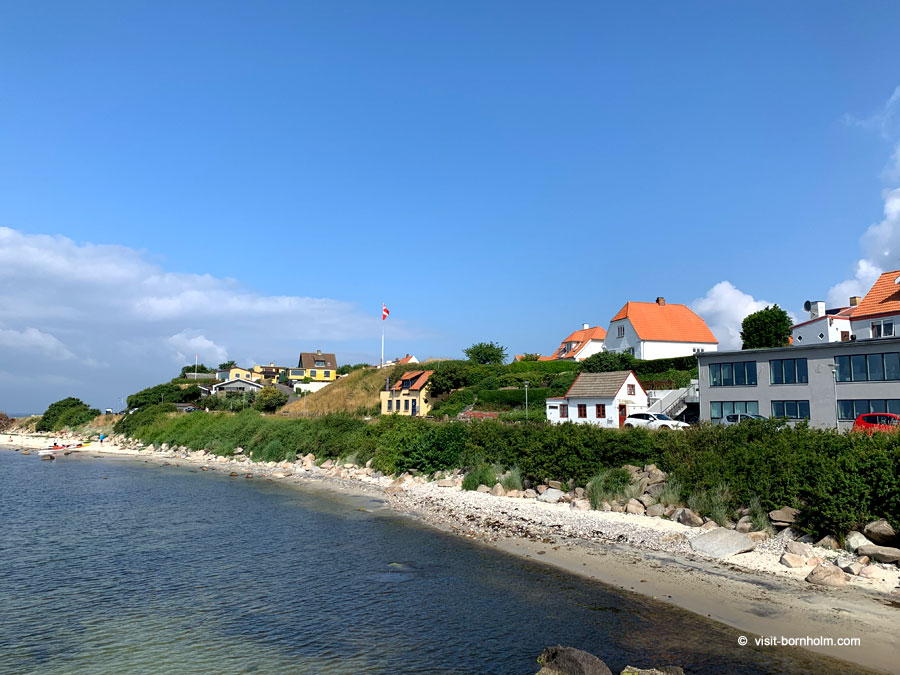
This is the time when most of island life moves to the coast. The most popular beaches include Dueodde (with its exceptionally fine sand), Balka (ideal for water sports), and Sandvig (close to the Hammerknuden cliffs).
Autumn – culture, craftsmanship, and the season of local produce
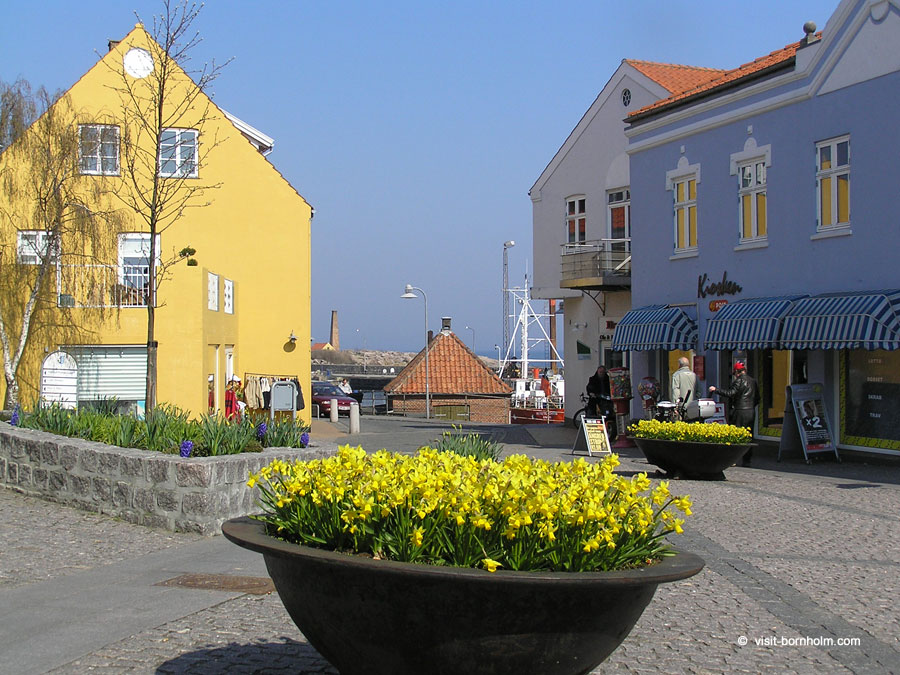
Autumn on Bornholm brings a noticeable calm. As summer ends, nature turns gold and red, and the island becomes a place of walks, exhibitions, and artistic gatherings.
In September, Bornholm Culture Week (Bornholms Kulturuge) takes place – a festival combining concerts, exhibitions, film screenings, and meetings with local creators. In October, there is Bornholm Craft Weeks, when craftspeople from across the island invite visitors to their workshops for demonstrations and hands-on sessions.
It is also a time of harvest and tasting. Many restaurants feature dishes made from root vegetables, apples, and lamb, and local farms offer cider and homemade preserves.
Winter – a season of calm and holiday traditions
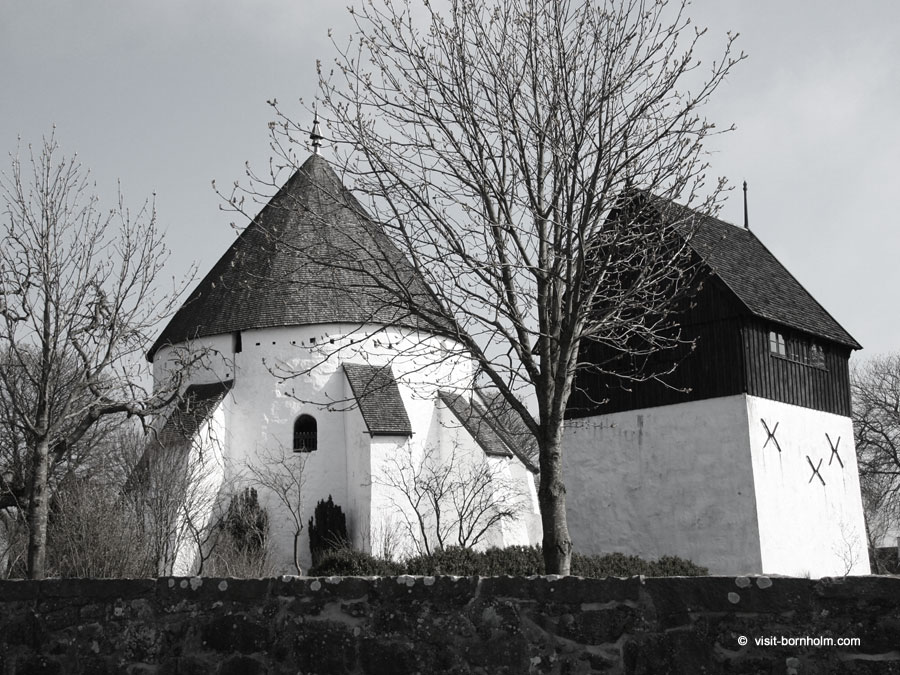
Winter gives Bornholm a completely different character. Temperatures drop to around 0°C, and the landscape becomes raw, but strikingly beautiful. This is the season when residents focus on local customs and community life.
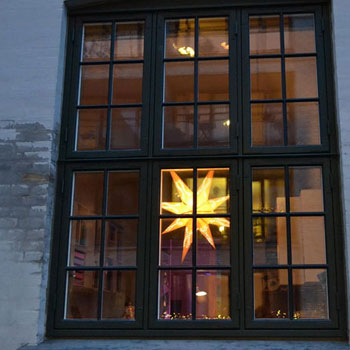
In November and December, Christmas markets are held in many towns – including Tejn, Nexø, and Svaneke. Here you can find handmade decorations, ceramics, woolen crafts, and taste traditional foods such as Christmas herring on rye bread.
Several museums and galleries remain open during winter, hosting thematic workshops and events. Wellness centers with saunas and outdoor hot baths are especially popular this time of year.
Bornholm through the rhythm of four seasons
Spring, summer, autumn, and winter on Bornholm differ not only in weather, but also in the rhythm of everyday life.
| Spring | is the time of preparation and opening of the season |
| Summer | a period of activity, events, and meeting others |
| Autumn | a moment to focus on culture and local products |
| Winter | a time of peace, quiet, and everyday hygge |
Summer events and festivals
| Sol over Gudhjem | a culinary competition where Danish chefs create dishes inspired by local ingredients |
| Bornholm Jazz Festival | one of the region’s oldest music events, held since the 1960s |
| Folkemødet in Allinge | Denmark’s "people’s meeting", bringing together politicians, organizations, and the public to discuss society and culture |
| Wonderfestiwall | the island’s largest music festival, attracting crowds with well-known Danish and international performers |
Good to know
- In May, you can see wild orchids blooming in the Hammerknuden reserve – one of the few places in Denmark where they grow naturally.
- Bornholm includes Denmark’s easternmost point – the tiny island of Christiansø, which can be visited in summer by ferry from Gudhjem.
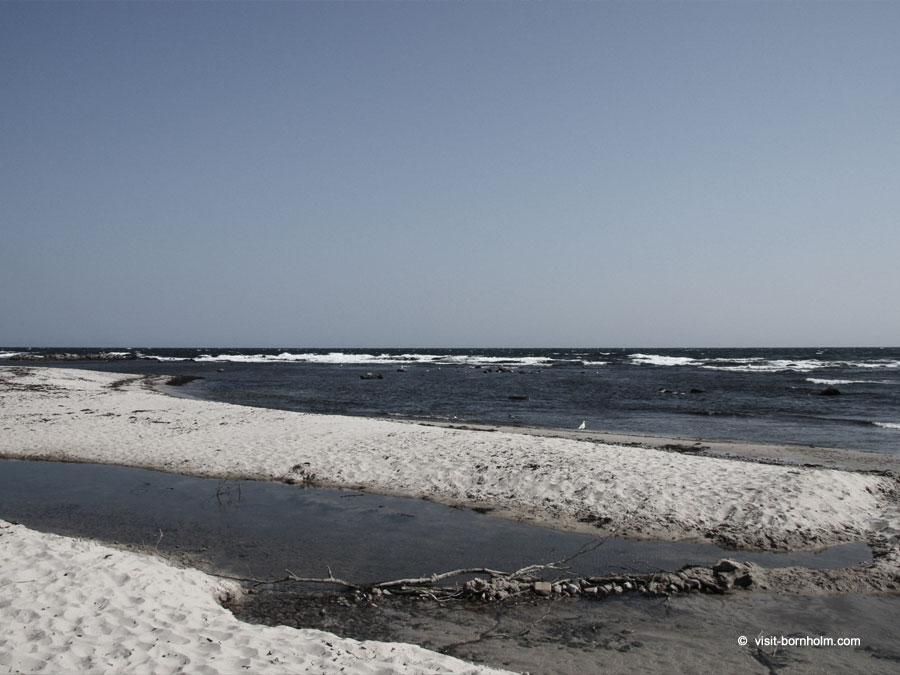
- Several winters in a row, the sea near Nexø and Dueodde froze solid enough to walk on near the shore – the last time was in 2011.
- Bornholm is part of the UNESCO World Craft Region program, recognizing regions with strong traditions in craftsmanship and design. The island is considered one of the most significant craft centers in Europe.